Need help? Call
Us Now :
+91-8808088807
Amphibious Excavator Manufacturer in Nagaland
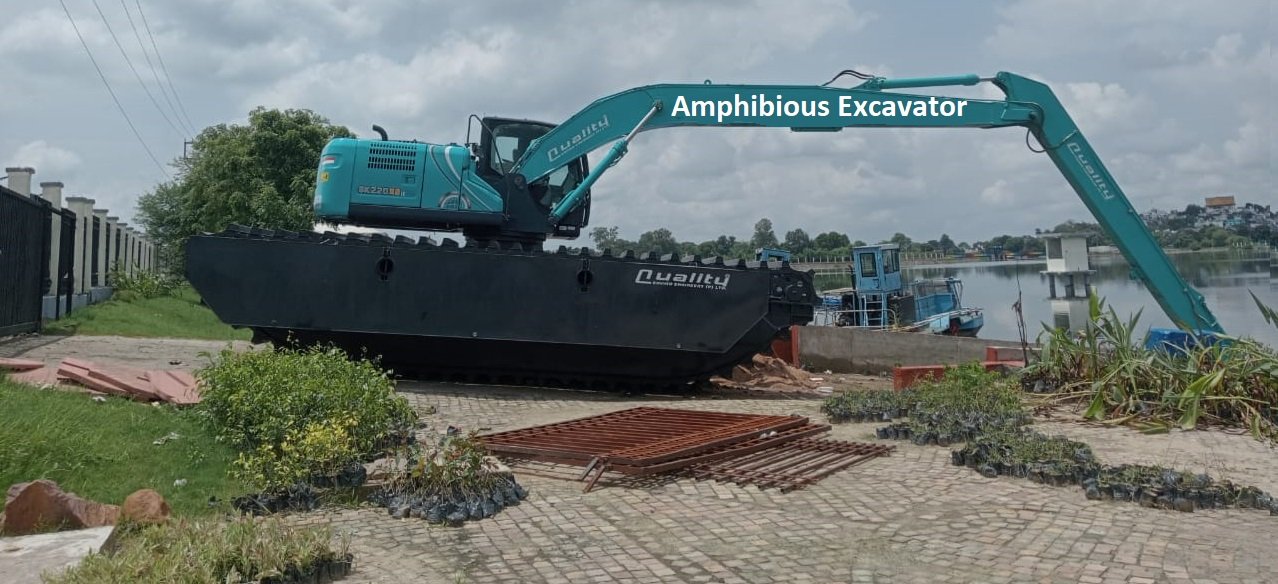
Amphibious Excavator Manufacturer in Nagaland – Specialized Excavation Equipment for Wet, Soft & Challenging Terrain
Quality Enviro Engineers Ltd. is a trusted Amphibious Excavator Manufacturer in Nagaland supplying specialized excavation equipment for suitable rivers, streams, ponds, wetlands, drainage networks, reservoirs and water-affected worksites where conventional excavation machinery may face limitations.
Engineered Amphibious Excavation Solutions for Nagaland's Waterways, Soft Soil, Riverbanks & Difficult Worksites
Nagaland features hilly terrain, river valleys, streams, seasonal drainage paths, ponds and other water-associated locations. Rainfall and runoff can influence soil moisture, sediment deposits, bank conditions and accessibility. Amphibious excavation equipment can be considered for suitable sites where flotation-supported mobility and specialized excavation capability are required.
Request a Quote ✉Purpose-Built Amphibious Excavators for Nagaland's River Corridors, Ponds, Drainage Routes and Soft Ground
Excavation close to water can involve unstable soil, accumulated sediment, mud, vegetation, changing water levels and limited access for conventional heavy equipment. Such projects require machinery selection based on the physical characteristics of the worksite. Amphibious excavators offer a specialized option for suitable water-associated and low-bearing applications.
Quality Enviro Engineers Ltd. is a professional Amphibious Excavator Manufacturer in Nagaland providing equipment solutions for appropriate excavation, desilting, waterbody maintenance and environmental applications. Machine specifications can be evaluated according to water depth, soil conditions, excavation requirements, operating reach and flotation needs.
- Flotation-supported machinery for selected saturated and low-bearing work areas.
- Equipment suitable for evaluation in ponds, wetlands and water-retention locations.
- Specialized excavation capability for appropriate riverbanks, streams and drainage corridors.
- Machinery configurations for handling suitable mud, silt and deposited materials.
- Application-based planning for Nagaland's varied terrain and water-influenced locations.
- Hydraulic attachment options based on excavation material and project requirements.
Depending on site conditions, amphibious excavators may be evaluated for river-edge maintenance, pond desilting, drainage cleaning, wetland work, sediment excavation, waterbody improvement, vegetation management and other suitable soft-ground operations across Nagaland.
Amphibious Excavation Systems for Nagaland's Riverbanks, Stream Networks and Water-Linked Worksites
Rivers and streams can receive sediment, soil, branches, vegetation and organic deposits through natural runoff and seasonal water movement. These changing conditions can make maintenance and excavation more demanding, particularly where the working area is close to the waterline or surrounded by weak ground.
Quality Enviro Engineers Ltd. provides specialized amphibious excavation machinery for suitable river-edge maintenance, drainage work, pond cleaning, wet-ground excavation, sediment removal and selected environmental projects throughout Nagaland.
Amphibious excavators integrate conventional hydraulic excavation technology with flotation-supported undercarriage components for appropriate low-bearing and shallow-water environments. Excavator capacity, flotation dimensions, hydraulic performance, operating weight, digging depth, working reach and attachment compatibility can be considered during equipment selection.
As an experienced Amphibious Excavator Supplier in Nagaland , Quality Enviro Engineers Ltd. can discuss equipment requirements according to project access, water conditions, terrain profile, transportation limitations and the intended excavation activity.
Specialized Amphibious Machinery for Nagaland's Water, Environmental and Civil Engineering Projects
Water channels, ponds, streams, drainage routes and reservoirs may require periodic excavation to manage deposited soil, silt, mud, vegetation and other accumulated materials. Site conditions can change with rainfall, runoff and variations in water levels.
At suitable locations, amphibious excavators can provide a specialized equipment option for sediment excavation, waterbody maintenance, drainage improvement and other operations where soft or water-affected ground influences conventional equipment access.
Appropriate machinery should be selected according to the proposed worksite. Important considerations can include machine operating weight, flotation capacity, excavator size, water depth, soil strength, excavation depth, working radius, hydraulic output and attachment requirements.
Quality Enviro Engineers Ltd. applies an application-specific approach while discussing amphibious excavation equipment for Nagaland's infrastructure, environmental, water-management, agricultural and civil engineering requirements.
Where Amphibious Excavators Can Be Considered in Nagaland
Specialized amphibious excavation equipment can be assessed for projects where saturated soil, standing water, sediment deposits, muddy surfaces or restricted access influence excavation planning. Final equipment suitability depends on actual site conditions and the operating limits of the selected machinery.
- ✔ Riverbank and stream-side excavation
- ✔ Pond restoration and sediment removal
- ✔ Wetland maintenance and selected environmental work
- ✔ Drainage route cleaning and desilting
- ✔ Reservoir and water-retention area maintenance
- ✔ Mud and silt excavation
- ✔ Removal of suitable aquatic vegetation
- ✔ Excavation over selected weak-bearing surfaces
- ✔ Waterbody cleaning and maintenance
- ✔ Specialized excavation in restricted-access areas
Flotation-Supported Excavation for Nagaland's Soft Soil, Muddy Edges and Water-Affected Sites
Locations surrounding streams, ponds, drainage channels and waterbodies can develop soft or saturated surfaces following rainfall and prolonged water exposure. These ground conditions may affect the mobility and positioning of standard excavation machinery. Amphibious equipment can be evaluated where its flotation arrangement is appropriate for the site.
The flotation-supported undercarriage provides a specialized configuration for consideration in selected water-influenced environments. Actual suitability depends on factors including flotation capacity, machine loading, soil characteristics, water depth, machine specifications and attachment selection.
- ✔ Specialized configuration for selected low-bearing locations
- ✔ Can be assessed for appropriate shallow-water excavation
- ✔ Suitable for consideration in selected pond and wetland projects
- ✔ Can support appropriate sediment and mud excavation activities
- ✔ Provides an alternative for selected restricted-access sites
- ✔ Supports application-specific hydraulic attachments
- ✔ Equipment specifications can be planned around project conditions
Why Partner with Quality Enviro Engineers Ltd. for Amphibious Excavation Equipment in Nagaland?
Water-associated excavation projects can differ substantially in terms of soil strength, water depth, material characteristics, working area, access and required excavation performance. Quality Enviro Engineers Ltd. considers these variables while discussing amphibious excavation machinery for projects across Nagaland.
As a dependable Amphibious Excavator Manufacturer in Nagaland , Quality Enviro Engineers Ltd. can assist with equipment planning for suitable river maintenance, pond desilting, wetland work, drainage excavation, waterbody improvement and environmental applications.
Machine capacity, flotation dimensions, operating weight, hydraulic output, excavation reach, digging depth, attachment compatibility, soil characteristics, water conditions and transportation access can be reviewed while determining an appropriate machinery arrangement.
Technical Equipment Planning for Amphibious Excavation Projects in Nagaland
Different excavation sites require different combinations of flotation, digging capacity and hydraulic performance. Water depth, ground conditions, excavation material, project objectives, working radius and site accessibility can influence equipment selection. Quality Enviro Engineers Ltd. considers these requirements while discussing suitable amphibious machinery.
- ✔ Application Analysis: The intended excavation activity, material and project objectives are reviewed before selecting equipment.
- ✔ Site Condition Review: Water depth, soil strength, terrain, working space and access conditions are considered.
- ✔ Excavator Selection: Machine size, operating weight, digging depth and required working radius are evaluated.
- ✔ Flotation Evaluation: The flotation-supported undercarriage is considered according to the expected water and ground conditions.
- ✔ Hydraulic Attachment Planning: Bucket and attachment requirements can be assessed according to the excavation material and application.
- ✔ Equipment Integration: Excavation machinery, flotation components and hydraulic systems are considered as a complete operating setup.
- ✔ Deployment Considerations: Transportation routes, worksite access and operating limitations can be reviewed before mobilization.
If you are searching for a reliable Amphibious Excavator Manufacturer in Nagaland , Quality Enviro Engineers Ltd. provides specialized machinery for suitable streams, rivers, ponds, wetlands, drainage channels, reservoirs and other water-influenced excavation locations. Contact our team to discuss your project requirements.
Amphibious Excavation Solutions for Nagaland's River Systems, Ponds, Drainage Networks and Soft-Ground Sites
Quality Enviro Engineers Ltd. is an established Amphibious Excavator Manufacturer in Nagaland offering application-focused excavation equipment for suitable civil, environmental, water-management, agricultural and infrastructure projects. The machinery can be evaluated for streams, river margins, ponds, wetlands, drainage routes and other locations where water or weak ground affects conventional equipment operations.
Water-associated work areas can collect silt, mud, soil, organic matter and vegetation over time. Rainfall and runoff may further alter sediment levels, water flow and ground conditions. Amphibious excavation equipment provides a flotation-supported approach that can be considered for appropriate wet-ground and shallow-water activities.
High-Performance Amphibious Excavation Equipment for Nagaland's Rivers, Streams, Wetlands & Soft Terrain
Excavation around Nagaland's watercourses, ponds, drainage routes and other water-influenced locations can involve weak soil, sediment, mud, vegetation and challenging equipment access. Amphibious machinery can be assessed where its flotation-supported configuration corresponds with the requirements of the proposed project.
Quality Enviro Engineers Ltd. is a specialized Amphibious Excavator Manufacturer in Nagaland providing machinery for suitable infrastructure, environmental, agricultural, water-management and civil engineering applications. Equipment selection can be based on actual site requirements rather than a one-size-fits-all configuration.
The flotation-supported undercarriage offers a specialized configuration for consideration in selected saturated and low-bearing locations. Machine suitability depends on factors such as flotation capacity, operating load, water depth, ground strength, excavation requirements, hydraulic performance and attachment selection.
Flotation-Supported Access for Weak Ground
The flotation arrangement can be evaluated for suitable saturated, muddy and low-bearing locations where conventional tracked equipment may experience ground-support or access limitations.
Pond and Reservoir Sediment Excavation
Suitable configurations can be considered for removing silt, mud, organic deposits and accumulated material from appropriate ponds, reservoirs and other water-retention areas.
Riverbank and Stream Maintenance
Amphibious excavation systems can be assessed for appropriate river-edge, stream and channel projects where water, sediment or unstable surrounding ground influences machinery access.
Wetland and Drainage Management Applications
Specialized equipment can be evaluated for suitable wetland, drainage and waterbody projects involving sediment excavation, vegetation management and selected maintenance activities.
Equipment for Water-Influenced Worksites
Machinery can be considered for selected locations where water, muddy ground, soft soil, sediment accumulation and restricted access create specialized excavation requirements.
Customized Machinery Selection for Nagaland Projects
Excavator capacity, flotation size, hydraulic output, operating reach, digging depth, attachment compatibility and worksite conditions can be reviewed when planning an amphibious excavator for a specific Nagaland application.
Specialized Amphibious Excavator Technology for Nagaland's Water-Associated Excavation Requirements
Amphibious excavators combine hydraulic excavation equipment with a flotation-supported undercarriage intended for consideration in appropriate shallow-water, saturated and low-bearing environments. This specialized configuration can provide an alternative approach for sites where standard tracked excavators may experience limitations associated with ground support or access.
Potential applications include riverbank maintenance, stream excavation, pond desilting, drainage cleaning, wetland maintenance, reservoir work, sediment removal, aquatic vegetation management, waterbody restoration and selected environmental projects. Appropriate equipment selection should consider water depth, ground-bearing conditions, sediment characteristics, excavator capacity, excavation depth, operating reach and hydraulic attachments.
Quality Enviro Engineers Ltd., as an experienced Amphibious Excavator Manufacturer in Nagaland , follows an application-driven approach when discussing specialized excavation machinery. Project information can be evaluated to understand flotation requirements, machine capacity, hydraulic performance, attachment compatibility, transportation logistics, operating conditions and site accessibility before determining a suitable equipment configuration.
Amphibious Excavation Equipment for Nagaland's River Valleys, Wetlands, Ponds, Reservoirs & Challenging Ground Conditions
Nagaland's hilly terrain, seasonal rainfall, river systems, streams, ponds, reservoirs and water-affected areas can present excavation challenges involving unstable soil, sediment deposits, muddy ground and restricted access. Quality Enviro Engineers Ltd. is a trusted Amphibious Excavator Manufacturer in Nagaland , offering specialized excavation machinery for suitable waterbody, environmental, drainage, civil and soft-ground applications.
Riverbank Excavation & Stream Corridor Management
Nagaland has numerous rivers, tributaries and seasonal watercourses passing through valleys and hilly landscapes. Erosion, transported soil, vegetation and deposited silt can gradually modify channel margins and create requirements for specialized excavation and maintenance.
Amphibious excavators can be considered for suitable river-edge excavation, stream maintenance, sediment removal and channel management where site conditions support flotation-assisted machinery.
Reservoir, Pond & Waterbody Restoration Applications
Water-storage areas and ponds may collect silt, clay, organic matter and aquatic growth over time. When surrounding surfaces remain wet or have limited bearing capacity, bringing standard excavation machinery close to the work zone can become more complicated.
Specialized amphibious machinery can be evaluated for appropriate pond excavation, reservoir maintenance and accumulated-material removal after considering water depth, sediment conditions, machine reach and access requirements.
Excavation Across Marshy, Saturated & Low-Bearing Ground
Wet excavation zones can contain loose soil, mud, vegetation and water-saturated deposits that provide limited support for heavy conventional machinery. Such conditions require careful consideration of equipment loading and ground interaction.
Amphibious excavation systems provide a specialized option for suitable saturated-ground applications, subject to assessment of flotation capacity, operating weight, water conditions and the physical characteristics of the proposed site.
Drainage Network & Runoff Channel Excavation
Heavy seasonal rainfall can increase the movement of soil, leaves, silt and other material into drainage routes and water-flow channels. In hilly locations, uneven terrain and difficult approaches can further complicate routine channel maintenance.
Amphibious equipment can be assessed for selected drainage excavation, channel cleaning and sediment-removal operations where wet surroundings or weak ground make conventional machinery positioning difficult.
Application-Matched Amphibious Excavator Configuration
Excavation requirements can differ significantly between a riverbank, pond, drainage corridor, reservoir or wetland. Selecting machinery according to the actual application helps address variations in working depth, ground conditions, accessibility and material characteristics.
Quality Enviro Engineers Ltd. can assess excavator capacity, flotation arrangement, hydraulic performance, operating reach, digging depth and attachment requirements when planning amphibious equipment for suitable projects in Nagaland.
Flotation-Supported Operation on Soft Water-Adjacent Terrain
River margins, pond edges, saturated fields and wet drainage zones can have limited ground strength. Moving and positioning heavy excavation machinery in these environments requires consideration of soil support and equipment loading.
Amphibious excavators can be evaluated for suitable low-bearing applications where their flotation-supported configuration is compatible with the site's water depth, soil condition, machine load and operating requirements.
Silt, Mud & Organic Material Removal
Watercourses and water-retention areas can receive sediment, eroded soil, organic deposits and vegetation through runoff and natural processes. Removing accumulated material may require machinery capable of operating in wet and difficult-access surroundings.
Amphibious excavation machinery can be considered for suitable desilting, mud excavation, material handling and selected environmental maintenance projects across Nagaland.
Specialized Equipment for Water & Infrastructure Projects
Civil and infrastructure projects involving drainage channels, water-retention areas, river corridors and sediment-prone locations may require specialized excavation equipment where conventional access is limited.
As an experienced Amphibious Excavator Manufacturer in Nagaland , Quality Enviro Engineers Ltd. considers site conditions, flotation requirements, machine capacity and intended application while discussing suitable excavation machinery.
Specialized Amphibious Excavation Machinery for Nagaland's Rivers, Waterbodies, Drainage Corridors & Soft Ground
Nagaland's combination of mountainous terrain, river valleys, seasonal rainfall and water-associated locations creates a variety of excavation environments. Muddy ground, sediment deposition, unstable banks, vegetation and restricted access can influence how excavation equipment is selected and deployed for individual projects.
Amphibious excavators combine conventional hydraulic excavation functions with a flotation-supported undercarriage intended for selected wet-ground and shallow-water applications. Depending on actual site conditions, this equipment can be considered for river maintenance, pond cleaning, drainage excavation, reservoir desilting, sediment removal and suitable environmental operations.
Quality Enviro Engineers Ltd. is a professional Amphibious Excavator Manufacturer in Nagaland , providing application-focused machinery solutions. Equipment selection can take into account machine capacity, flotation configuration, hydraulic output, digging depth, working radius, attachment compatibility, soil characteristics and water conditions.
Practical Amphibious Excavator Applications Across Nagaland
Quality Enviro Engineers Ltd. provides specialized amphibious excavation machinery for suitable river, drainage, waterbody, environmental and low-bearing ground applications across Nagaland. Equipment requirements can be evaluated according to the site's terrain, water level, soil profile, access conditions and intended excavation work.
Riverbank Development & Watercourse Maintenance
River corridors in Nagaland can experience erosion, sediment transport, vegetation growth and changing water levels. These natural processes may affect channel margins and create requirements for periodic excavation and maintenance.
Amphibious excavation equipment can be evaluated for suitable riverbank work, channel maintenance, sediment excavation and watercourse operations where flotation-supported machinery is appropriate for the location.
Channel width, bank stability, water depth, soil strength, required excavation reach and working depth should be considered before determining the suitable machine configuration.
Wetland & Saturated-Surface Excavation Operations
Wet and waterlogged areas can contain soft soil, mud, organic deposits and vegetation, resulting in reduced ground support. Equipment positioning in these environments may therefore require specialized planning.
Amphibious excavators can be considered for suitable saturated-ground excavation, material removal and environmental applications when their flotation characteristics correspond with the worksite.
Soil bearing capacity, machine loading, water depth, flotation dimensions, excavation requirements and operating limitations should be reviewed before deployment.
Reservoir & Water-Storage Sediment Management
Sediment carried by runoff can gradually accumulate in reservoirs and water-storage areas. Silt, loose soil, organic matter and aquatic vegetation can contribute to changing waterbody conditions.
Selected amphibious excavation systems can be evaluated for reservoir desilting and accumulated-material excavation where water depth, flotation capacity and machine reach are suitable for the proposed operation.
Reservoir dimensions, material characteristics, excavation quantity, operating depth, machine capacity and access arrangements can all influence the final equipment selection.
Rainwater Drainage & Channel Desilting
During periods of rainfall, drainage corridors can receive soil, leaves, silt, stones and other runoff material. In hilly areas, channel slopes and uneven surroundings may make access and maintenance more demanding.
Amphibious machinery can be assessed for appropriate drainage excavation, channel desilting and material-removal activities where wet ground or limited access affects the use of conventional excavation machinery.
Channel dimensions, slope, water level, bank condition, required digging depth and hydraulic attachment requirements should be evaluated before selecting the equipment.
Pond Cleaning & Waterbody Capacity Restoration
Ponds can accumulate silt, mud, organic material and aquatic growth through surface runoff and natural deposition. Depending on their condition and purpose, these deposits may require periodic excavation and maintenance.
Amphibious excavation equipment can be considered for suitable pond cleaning, desilting and accumulated-material removal where flotation characteristics and machine dimensions match the working environment.
Pond size, water depth, sediment consistency, excavation volume, machine reach and site access can be reviewed while planning the appropriate machinery.
Customized Amphibious Excavator Solutions for Nagaland Projects
A river maintenance project, reservoir desilting operation, drainage corridor and pond excavation can each require different equipment characteristics. Machinery selection should therefore reflect the actual conditions and workload of the proposed project.
Quality Enviro Engineers Ltd. can review machine capacity, flotation dimensions, undercarriage configuration, hydraulic performance, digging depth, working reach and compatible attachments while planning specialized amphibious excavation equipment.
As a dependable Amphibious Excavator Manufacturer in Nagaland , our approach focuses on matching equipment characteristics with application requirements, ground conditions, water levels, accessibility and expected excavation workload.
Amphibious Excavator Manufacturer & Supplier for Nagaland's Specialized Wet-Ground Projects
Quality Enviro Engineers Ltd. is an experienced Amphibious Excavator Manufacturer in Nagaland , offering specialized machinery for suitable rivers, streams, reservoirs, ponds, drainage corridors, wet areas and challenging water-associated worksites.
Amphibious excavation equipment provides a specialized operating arrangement for selected locations where saturated soil, shallow water, muddy surfaces, sediment deposits or difficult access can affect conventional excavation operations. Actual suitability depends on ground conditions, flotation capacity, water depth, equipment configuration and project requirements.
If you are looking for a reliable Amphibious Excavator Supplier in Nagaland , Quality Enviro Engineers Ltd. can discuss suitable machinery for river maintenance, pond desilting, reservoir excavation, drainage cleaning, sediment management, wet-ground work and other appropriate specialized applications.
Amphibious Excavation Machinery for Nagaland's River Corridors, Waterbodies, Drainage Systems & Soft Soil
Excavation conditions across Nagaland can vary according to elevation, terrain, rainfall, river characteristics, water depth, soil strength and sediment composition. Worksite accessibility and required digging reach may also influence the type of machinery suitable for a particular operation. Quality Enviro Engineers Ltd., a professional Amphibious Excavator Manufacturer in Nagaland , considers these factors while discussing specialized excavation equipment.
Project planning may include machine capacity, flotation configuration, operating weight, hydraulic performance, excavation depth, working radius, attachment compatibility and transportation requirements based on the intended application.
Application
★★★★★
River & Stream Excavation
River and stream environments can experience sediment movement, bank erosion, vegetation growth and seasonal changes in water conditions. These factors may create specialized maintenance requirements.
Amphibious equipment can be assessed by reviewing channel width, water depth, bank stability, excavation reach and the required working depth.
Watercourse Application
Application
★★★★★
Reservoir Desilting Operations
Reservoirs can receive silt, soil, organic deposits and other transported material through runoff. Accumulation may create periodic requirements for excavation and waterbody maintenance.
Equipment selection can consider reservoir dimensions, sediment properties, water depth, machine capacity and flotation requirements.
Reservoir Application
Application
★★★★★
Pond Restoration & Cleaning
Ponds may collect mud, silt, organic matter and aquatic vegetation over time due to runoff and natural deposition, potentially changing the usable profile of the waterbody.
Machinery planning can consider pond dimensions, sediment consistency, excavation volume, water depth and required operating reach.
Pond Restoration
Application
★★★★★
Drainage Channel Maintenance
Drainage channels can collect soil, silt, vegetation and runoff material, especially during periods of heavy rainfall and surface water movement.
Equipment assessment can include channel dimensions, terrain, water level, ground support, bank conditions and required digging depth.
Drainage Application
Application
★★★★★
Soft & Saturated Ground Excavation
Saturated soil and muddy surfaces can provide limited support for conventional heavy equipment, particularly around waterbodies, river margins and wet drainage locations.
Amphibious machinery can be evaluated by considering flotation characteristics, operating load, soil strength, water depth and defined equipment operating limits.
Low-Bearing Ground
Application
★★★★★
Environmental & Civil Engineering Projects
Civil, environmental and water-management projects may involve sediment-rich areas, drainage corridors, wet ground and restricted access where specialized excavation equipment can be considered.
Project assessment can help establish suitable machine capacity, flotation configuration, hydraulic attachments and operating parameters for the intended application.
Project Application
Specialized Amphibious Excavator Solutions for Nagaland's Water Management, Infrastructure & Environmental Requirements
Nagaland's rivers, streams, ponds, reservoirs and drainage corridors can present different excavation conditions based on terrain, rainfall, water levels, soil characteristics and sediment movement. Muddy surfaces, vegetation and difficult approaches may influence the machinery selected for individual worksites.
Organizations searching for an Amphibious Excavator Manufacturer in Nagaland or an experienced Amphibious Excavator Supplier in Nagaland can discuss their project requirements with Quality Enviro Engineers Ltd. Equipment planning may include flotation capacity, excavator size, hydraulic attachments, digging depth, operating reach and worksite-specific conditions.
Amphibious Excavator Solutions for Nagaland's Rivers, Waterbodies, Drainage Networks & Wet-Ground Excavation
Nagaland has a varied landscape of hills, valleys, river corridors, streams, ponds, reservoirs and drainage routes. Seasonal rainfall and surface runoff can contribute to soil movement, sediment deposition, muddy ground and changing water conditions. These factors can influence the accessibility and positioning of excavation machinery. Quality Enviro Engineers Ltd. is a professional Amphibious Excavator Manufacturer in Nagaland , providing specialized machinery for suitable wet-ground and water-associated excavation applications.
Amphibious excavators combine hydraulic digging capability with a flotation-supported undercarriage designed for consideration in selected shallow-water, saturated and low-bearing environments. Depending on site conditions, such equipment can be evaluated for river maintenance, pond cleaning, drainage excavation, reservoir desilting, sediment handling and selected environmental projects.
Equipment selection should be based on the actual characteristics of the proposed worksite. Water depth, soil-bearing capacity, sediment type, machine operating weight, flotation dimensions, hydraulic performance, excavation depth, working radius, attachment requirements and access arrangements may influence the appropriate machinery configuration.
Amphibious Excavators for Nagaland's Rivers, Streams & Valley Waterways
River and stream corridors across Nagaland can experience seasonal changes in flow, soil erosion, sediment movement and vegetation growth. These conditions may affect channel profiles and riverbank access, creating requirements for specialized excavation and maintenance work.
Amphibious excavation machinery can be considered for suitable riverbank excavation, stream maintenance, channel cleaning and sediment removal where the water and ground conditions support flotation-assisted operation.
Channel dimensions, bank condition, water level, soil strength, excavation depth, working radius and hydraulic attachment compatibility should be reviewed before determining the appropriate equipment.
Amphibious Excavation Machinery for Nagaland's Reservoirs & Water Storage Areas
Reservoirs and water-storage locations can receive sediment, loose soil, organic deposits and vegetation through runoff and natural deposition. Over time, accumulated material can create requirements for excavation, cleaning and maintenance.
Amphibious excavators can be evaluated for suitable reservoir desilting and material-removal applications when water conditions, flotation characteristics and machine operating parameters are compatible with the proposed project.
Water depth, sediment consistency, reservoir dimensions, excavation quantity, machine loading, flotation capacity and operating reach can be considered during equipment planning.
Amphibious Equipment for Pond Cleaning & Waterbody Maintenance in Nagaland
Ponds and smaller waterbodies can gradually accumulate mud, silt, organic material and aquatic vegetation. Runoff from surrounding areas may contribute additional sediment and alter the profile of the waterbody.
Where physical conditions are suitable, amphibious excavation equipment can be considered for pond cleaning, desilting, sediment excavation and selected restoration-related operations.
Amphibious Excavators for Nagaland's Drainage & Runoff Management
Rainfall and surface runoff can carry soil, leaves, silt and other materials into drainage channels. In hilly terrain, drainage routes may also involve uneven banks, saturated soil and restricted approaches, making equipment selection an important part of maintenance planning.
Specialized amphibious machinery can be evaluated for suitable drainage excavation, channel cleaning and sediment-removal operations where wet surroundings or low-bearing ground affect conventional equipment access.
Soft-Ground Amphibious Excavation Equipment for Nagaland
Saturated and muddy ground may provide less supporting capacity than firm terrain for conventional tracked machinery. Such conditions can occur near ponds, river margins, reservoirs, wetlands and drainage corridors.
Amphibious excavators incorporate flotation-supported components that can be assessed for appropriate water-influenced and soft-ground applications. Actual machine performance depends on flotation design, operating load, soil strength, water depth, equipment configuration and specified operating limits.
Sediment Removal & Waterbody Excavation Applications in Nagaland
Sediment can accumulate within rivers, streams, ponds, reservoirs and drainage structures due to erosion, runoff and natural deposition. Accumulated material may alter channel or waterbody profiles and create periodic maintenance requirements.
Amphibious excavation machinery can be assessed for suitable sediment excavation and material-removal operations where wet ground or water presence makes conventional equipment positioning more challenging. Material consistency, excavation volume, working depth and machine reach can be considered during equipment planning.
Amphibious Excavators for Environmental & Water Management Projects in Nagaland
Environmental and water-management projects can involve rivers, streams, ponds, reservoirs, drainage routes and other sediment-rich or water-affected locations. Every site may have different requirements related to water level, vegetation, soil condition, sediment type and equipment access.
Depending on the physical characteristics of the worksite, amphibious equipment can be considered for suitable sediment excavation, wet-area maintenance, waterbody cleaning, vegetation-related work and selected environmental applications.
Application-Based Amphibious Excavator Selection for Nagaland
Specialized amphibious machinery should be selected according to the specific requirements of the excavation project. Excavator capacity, operating weight, flotation dimensions, undercarriage configuration, hydraulic output, digging depth, working radius and attachment choice can influence the final machinery arrangement.
Quality Enviro Engineers Ltd. follows an application-oriented approach when discussing amphibious excavation systems. Site water depth, soil characteristics, sediment properties, access limitations, excavation objectives and expected workload can be reviewed before determining suitable equipment specifications.
Amphibious Excavator Supplier for Nagaland's Civil & Infrastructure Projects
Contractors, civil engineering organizations, infrastructure developers, environmental projects and water-management operators may require specialized excavation machinery for muddy, saturated or difficult-access locations. Amphibious equipment can be evaluated where conventional excavation machinery faces limitations related to ground support or water-associated access.
As an experienced Amphibious Excavator Supplier in Nagaland , Quality Enviro Engineers Ltd. provides application-focused machinery solutions for river maintenance, reservoir desilting, pond cleaning, drainage excavation, sediment removal, waterbody maintenance and other suitable specialized projects.
Quality Enviro Engineers Ltd. – Amphibious Excavator Manufacturer in Nagaland
Quality Enviro Engineers Ltd. is a professional Amphibious Excavator Manufacturer in Nagaland , supplying specialized excavation machinery for suitable rivers, streams, reservoirs, ponds, drainage channels, water-retention areas, environmental projects and challenging wet-ground locations.
Our equipment planning approach considers the proposed excavation activity, water conditions, soil characteristics, sediment composition, machine capacity, flotation requirements, operating reach, accessibility and attachment selection. These factors help determine whether a specialized amphibious configuration is suitable for the intended application.
Whether the requirement involves riverbank maintenance, stream excavation, reservoir desilting, pond cleaning, drainage excavation, sediment handling, wet-ground maintenance or another suitable water-associated operation, our team can discuss relevant machinery specifications and project requirements.
If you are searching for a reliable Amphibious Excavator Manufacturer in Nagaland or an experienced Amphibious Excavator Supplier in Nagaland , contact Quality Enviro Engineers Ltd. to discuss your project location, water depth, ground conditions, excavation scope, machine capacity, working reach, attachment requirements and specialized amphibious excavation needs.
Amphibious Excavator Equipment for Nagaland's Riverbanks, Flood-Prone Areas, Ponds & Soft-Soil Worksites
Nagaland's varied terrain includes hill slopes, valleys, streams, riverbanks, ponds, reservoirs and areas affected by seasonal rainfall. Excavation in such locations may involve loose soil, saturated ground, sediment accumulation, uneven access and water-affected working zones. Quality Enviro Engineers Ltd. is a trusted Amphibious Excavator Manufacturer in Nagaland , supplying specialized excavation machinery for suitable wet-ground, shallow-water and difficult-access applications.
Amphibious excavators are designed with a flotation-supported undercarriage combined with hydraulic excavation equipment. This type of configuration can be considered for selected projects where ordinary excavators may experience limitations due to weak ground, water proximity or restricted access. Applications may include waterway maintenance, pond desilting, drainage excavation, sediment removal and other appropriate civil or environmental work.
The right machine configuration depends on the actual project conditions. Water depth, soil bearing capacity, terrain, sediment characteristics, operating weight, flotation dimensions, digging depth, hydraulic performance, working radius and attachment requirements should be reviewed before selecting amphibious excavation equipment for a Nagaland worksite.
Amphibious Excavators for Nagaland's Streams, Riverbanks and Waterways
Nagaland's natural drainage network includes streams and river corridors passing through hilly and low-lying areas. Runoff can carry soil, silt, vegetation and other material into water channels, while changing water levels can make access to certain sections more complicated.
Suitable amphibious excavation machinery can be evaluated for riverbank excavation, channel maintenance, sediment removal and related waterway operations after examining bank stability, water depth, ground strength, access conditions and the required excavation reach.
Amphibious Machinery for Nagaland's Ponds, Reservoirs and Sediment-Rich Waterbodies
Ponds, reservoirs and other water-retention structures can collect silt, clay, organic deposits and vegetation over time. Where accumulated material needs to be removed, access and ground-support conditions can influence the choice of excavation equipment.
Amphibious excavators can be considered for appropriate pond cleaning, reservoir desilting and sediment excavation projects. Water depth, material thickness, excavation volume, working radius and machine flotation requirements can be assessed before equipment selection.
Application-Focused Amphibious Excavation Systems for Nagaland
Excavation requirements can vary between a river corridor, pond, reservoir, drainage route, wet area and infrastructure site. A machine configuration suitable for one location may not provide the same suitability at another location, making project-specific evaluation important.
Quality Enviro Engineers Ltd. considers machine capacity, flotation arrangement, hydraulic output, digging depth, operating radius, attachment compatibility, transportation requirements and site access while discussing amphibious excavation machinery for suitable projects in Nagaland.
Applications of Amphibious Excavators Across Nagaland
Amphibious excavation systems can be evaluated for selected worksites where soft soil, shallow water, muddy ground, accumulated sediment or restricted conventional equipment access creates specialized excavation requirements.
- Desilting and sediment excavation from suitable ponds and reservoirs
- Maintenance and excavation along appropriate riverbanks and stream channels
- Removal of accumulated silt, mud and deposited material from suitable waterways
- Cleaning and excavation of drainage channels affected by runoff and sediment
- Excavation and maintenance in selected wet, marshy and waterlogged areas
- Work on saturated and low-bearing ground where flotation-supported access is appropriate
- Pond restoration, waterbody maintenance and accumulated-material removal
- Civil, environmental and infrastructure projects involving wet or difficult-access locations
Contractors, infrastructure companies, environmental organizations and project developers looking for an experienced Amphibious Excavator Manufacturer in Nagaland can contact Quality Enviro Engineers Ltd. to discuss their proposed application. Equipment planning can consider terrain, water conditions, soil profile, excavation depth, workload, machine capacity and site accessibility.
Advanced Amphibious Excavation Solutions for Nagaland's Water-Connected and Low-Bearing Sites
Excavation projects across Nagaland can involve changing terrain, seasonal rainfall, stream networks, ponds, reservoirs and saturated ground. These conditions may require machinery capable of being evaluated for applications where standard excavation equipment has limited access or ground support. Quality Enviro Engineers Ltd. is an established Amphibious Excavator Manufacturer in Nagaland , offering specialized equipment for suitable water-associated and soft-ground applications.
A flotation-supported amphibious arrangement can provide an alternative approach for selected sites affected by muddy margins, shallow water, saturated soil and difficult equipment positioning. Machine suitability depends on the physical conditions of the site and the specifications of the selected equipment.
Streambank Excavation and Watercourse Maintenance
Streambanks and water channels can receive loose soil, silt, vegetation and other deposits through rainfall and surface runoff. Accumulation and erosion can create periodic requirements for channel-related maintenance.
Amphibious excavation equipment can be assessed for suitable watercourse maintenance and riverbank excavation by considering bank stability, water level, ground conditions, material type and required operating reach.
Reservoir Desilting and Waterbody Material Removal
Reservoirs and storage ponds may accumulate sediment, fine soil, organic material and vegetation. Removing these deposits can require specialized planning where sections of the worksite remain wet or difficult to access.
Suitable amphibious machinery can be considered for reservoir desilting and waterbody excavation according to sediment quantity, operating depth, access conditions and machine reach.
Excavation in Marshy and Waterlogged Locations
Waterlogged locations can contain soft soil, standing water, organic deposits and vegetation. Ground strength can also vary significantly across different portions of the same project area.
Amphibious excavators can be evaluated for suitable wet-ground work after considering flotation performance, operating load, soil strength, water conditions and the specific excavation objective.
Drainage Network and Stormwater Channel Excavation
Rainfall and runoff can carry silt, soil, leaves and other material into drainage routes. Accumulation within selected channels may affect their effective flow profile and create maintenance needs.
Amphibious equipment can be considered for appropriate drainage excavation and cleaning where wet surroundings, muddy margins or limited access make conventional machinery positioning more challenging.
Low-Ground-Pressure Excavation for Soft Soil
Saturated soil surrounding ponds, streams and drainage routes may have reduced load-bearing capacity. Heavy conventional machinery can therefore require careful assessment before entering such areas.
Flotation-assisted amphibious machinery can be evaluated for appropriate low-bearing applications according to soil strength, operating load, water depth and the defined limitations of the equipment.
Waterbody Cleaning and Accumulated-Silt Excavation
Smaller ponds and water-retention areas can gradually develop layers of mud, silt, organic matter and aquatic vegetation. Depending on their condition, these deposits may require controlled excavation.
Amphibious excavation systems can be assessed for suitable waterbody cleaning and sediment-removal activities based on site dimensions, material conditions, operating depth and equipment capacity.
Amphibious Equipment for Remote Water Infrastructure
Water-management infrastructure in less accessible locations can include channels, ponds, culverts and drainage structures surrounded by uneven or wet terrain.
Specialized amphibious equipment can be evaluated for suitable excavation and maintenance operations after reviewing available access, channel dimensions, water level, ground support and required digging depth.
Custom-Considered Amphibious Excavator Configurations
Different excavation projects can require different machine capacities, flotation dimensions, hydraulic outputs, operating reaches and attachments. Equipment planned for pond maintenance may differ from machinery required for a larger waterway project.
Quality Enviro Engineers Ltd. can review these project factors while discussing amphibious excavation equipment for suitable civil, environmental, water-management and infrastructure applications in Nagaland.
Amphibious Excavator Manufacturer and Supplier for Nagaland's Specialized Excavation Applications
Amphibious excavators provide a specialized machinery option for selected projects involving streams, riverbanks, ponds, reservoirs, drainage channels, wet areas and saturated ground. Their flotation-supported design can be evaluated where conventional equipment faces challenges related to ground support, water proximity or difficult access.
Quality Enviro Engineers Ltd. is a reliable Amphibious Excavator Manufacturer in Nagaland , providing application-focused machinery for suitable riverbank work, reservoir desilting, pond maintenance, drainage excavation, sediment removal and other water-associated excavation projects.
Organizations searching for an experienced Amphibious Excavator Supplier in Nagaland can discuss their requirements with Quality Enviro Engineers Ltd. Equipment planning may include machine capacity, flotation requirements, water depth, soil characteristics, excavation quantity, hydraulic attachments, operating reach and transportation access.
Purpose-Built Amphibious Excavation Technology for Nagaland's Streams, Wet Areas and Challenging Access Zones
Quality Enviro Engineers Ltd. offers application-oriented amphibious excavation machinery for suitable worksites where soft soil, standing water, sediment deposits or restricted access can influence conventional excavation methods. As a professional Amphibious Excavator Manufacturer in Nagaland , we focus on matching equipment considerations with the requirements of the proposed project.
Amphibious systems combine hydraulic excavation capability with a flotation-supported undercarriage that can be evaluated for selected water-influenced and weak-ground applications. Depending on site conditions, the machinery can be considered for waterways, ponds, reservoirs, drainage corridors and suitable environmental projects.
Equipment evaluation can include machine operating weight, flotation capacity, soil-bearing conditions, water depth, excavation depth, hydraulic performance, working radius, attachment requirements and transportation arrangements. Reviewing these factors helps establish whether the proposed equipment configuration is appropriate for the intended Nagaland application.
Flotation-Supported Access for Nagaland's Soft and Wet Terrain
Soft ground around streams, ponds, drainage corridors and other water-associated locations may provide limited support for conventional excavation equipment. Access planning can therefore become an important part of the project.
Amphibious undercarriage systems can be evaluated for suitable wet-ground applications according to flotation characteristics, machine loading, water conditions and the physical properties of the worksite.
Amphibious Excavation for Nagaland's Rivers and Reservoirs
Rivers and reservoirs may develop sediment deposits, vegetation growth and accumulated material through runoff and natural processes. Maintenance activities can become more complicated when surrounding ground remains saturated.
Our Amphibious Excavators in Nagaland can be evaluated for suitable water-related projects based on water depth, terrain, soil conditions, excavation objectives and machine specifications.
Machinery for Silt-Laden Channels and Waterways
Rainfall runoff and natural erosion can transport soil and fine sediment into streams, ponds, reservoirs and drainage channels. Accumulated deposits can create requirements for excavation or channel maintenance.
Amphibious machinery can be considered for suitable sediment removal after evaluating material consistency, excavation volume, water level, operating depth and the required working radius.
Site Evaluation Before Selecting an Amphibious Excavator in Nagaland
A riverbank, pond, reservoir, wetland and drainage corridor can each present different physical conditions. Water levels, soil strength, terrain, sediment type and available access can all influence equipment selection.
Quality Enviro Engineers Ltd. can review the proposed worksite, excavation objective, operating environment, required reach and access arrangements while discussing suitable amphibious equipment.
Amphibious Excavator Cost Factors for Nagaland Applications
The cost of an amphibious excavation system can vary according to excavator capacity, flotation components, undercarriage specifications, hydraulic systems, attachments and the required project configuration.
Understanding the excavation workload, site conditions, required operating depth and machine configuration provides a more useful basis for evaluating equipment requirements and project investment.
Amphibious Excavation for Nagaland's Waterlogged and Marshy Areas
Waterlogged ground and marshy surfaces can make standard machinery access difficult. Such conditions can occur around ponds, streams, drainage routes and other water-influenced locations.
Amphibious excavators can be assessed for suitable sediment removal, wet-area excavation, waterbody maintenance and drainage applications according to actual site characteristics.
Hydraulic Attachments for Specialized Amphibious Excavation Work
Excavation projects may involve sediment removal, vegetation clearing, channel cleaning, bank shaping and material handling. Different activities can therefore require different hydraulic attachments.
Attachment compatibility can be evaluated alongside hydraulic output, excavator capacity, operating reach, digging depth and the physical characteristics of the material being handled.
Amphibious Excavator Supplier Assistance for Nagaland Projects
Quality Enviro Engineers Ltd. supports organizations seeking a dependable Amphibious Excavator Supplier in Nagaland by discussing machine capacity, flotation requirements, hydraulic systems, attachments and intended operating conditions.
Water depth, soil strength, sediment characteristics, excavation quantity, working radius, site access and expected workload can be reviewed while planning suitable machinery specifications.
Amphibious Machinery for Nagaland's Drainage and Water-Control Projects
Drainage channels and water-control routes can receive loose soil, silt, leaves and vegetation through rainfall and surface runoff. Accumulated material may require periodic excavation and cleaning.
Amphibious excavators can be considered for suitable channel excavation, desilting and water-management work where wet surroundings or limited access affect conventional equipment positioning.
Complete Amphibious Excavator Planning for Nagaland Worksites
Specialized machinery selection should begin with an understanding of the proposed site and its excavation requirements. Water depth, soil strength, terrain, sediment properties, machine capacity, flotation arrangement, excavation depth and transportation access can all influence the final configuration.
Quality Enviro Engineers Ltd. can discuss these factors while evaluating amphibious excavation equipment for suitable projects throughout Nagaland.
Why Choose Quality Enviro Engineers Ltd. for Amphibious Excavators in Nagaland?
Selecting specialized excavation machinery requires consideration of the actual site environment and intended workload. Water depth, soil support, sediment characteristics, operating weight, flotation capacity, digging depth, hydraulic output, working reach and attachment requirements can all affect equipment suitability.
As an experienced Amphibious Excavator Manufacturer in Nagaland , Quality Enviro Engineers Ltd. provides specialized machinery for suitable waterways, reservoirs, ponds, drainage systems, wet areas, sediment-removal projects and other difficult-access applications.
If you are searching for a reliable Amphibious Excavator Manufacturer in Nagaland or an established Amphibious Excavator Supplier in Nagaland , contact Quality Enviro Engineers Ltd. to discuss your project location, terrain, water depth, soil characteristics, excavation requirements, machine capacity, working radius, hydraulic attachments and preferred amphibious excavator configuration.
Key Factors for Choosing an Amphibious Excavator for Nagaland's Water and Soft-Ground Projects
Projects involving Nagaland's streams, riverbanks, ponds, reservoirs, drainage channels and other water-affected locations can require specialized equipment planning. Uneven terrain, seasonal rainfall, muddy access, saturated soil, sediment deposits and limited working space may influence the selection of excavation machinery. Quality Enviro Engineers Ltd. is a professional Amphibious Excavator Manufacturer in Nagaland , offering specialized equipment for suitable wet-ground and water-associated applications.
1. Examine the Ground Conditions at the Proposed Site
Nagaland worksites can include uneven terrain, soft soil, river margins and areas affected by surface water. Ground characteristics can influence machine movement, positioning and access.
Soil strength, ground profile, access routes and available working space should be examined before choosing an amphibious excavator for the intended operation.
2. Establish Water Depth and Operating Conditions
Pond excavation, reservoir desilting, waterway maintenance and wet-area projects can involve different water depths and working environments.
Water depth should be reviewed alongside flotation dimensions, machine configuration and operating limitations when selecting suitable amphibious equipment.
3. Determine the Required Excavation Capacity
The amount of sediment, excavation depth, material density and expected production requirements can vary significantly between projects.
Machine capacity and hydraulic performance should be considered in relation to the expected workload and physical conditions of the proposed worksite.
4. Identify the Type and Condition of Excavated Material
Water-associated sites can contain silt, clay, loose soil, mud, organic deposits, vegetation and mixed sediment. These materials may require different excavation approaches.
Material consistency and excavation volume should be considered when assessing hydraulic performance and attachment requirements.
5. Calculate Digging Depth and Working Reach
A project may involve excavation near a bank or removal of deposited material below the water surface. The required operating position can therefore vary.
Digging depth, boom configuration, working radius and machine positioning should be evaluated before finalizing the amphibious excavator arrangement.
6. Choose Attachments According to the Excavation Task
Different applications can involve sediment excavation, vegetation management, channel cleaning, bank shaping and material handling.
Suitable attachments should be assessed together with hydraulic capacity, excavator size, material properties, working depth and intended application.
7. Review Site Access and Equipment Transportation
Some projects may be situated in locations where approach roads, staging areas or equipment-entry routes are limited. Transportation planning can therefore affect project preparation.
Machine dimensions, transportation arrangements, assembly requirements, site-entry conditions and available staging space should be reviewed before deployment.
8. Evaluate Flotation Against Operating Load
Flotation requirements should be considered together with machine weight, attachments, excavated material and expected ground or water conditions.
Reviewing these parameters can help determine whether the proposed amphibious configuration corresponds with the physical and operational requirements of the Nagaland site.
9. Match the Machine to the Specific Project Application
Waterway maintenance, pond desilting, reservoir excavation, drainage cleaning and wet-ground work can have different equipment requirements.
Application-specific planning should consider excavation objectives, machine capacity, flotation arrangement, hydraulic specifications, site conditions and expected workload.
10. Consult an Experienced Amphibious Excavator Manufacturer
Specialized machinery should be assessed against the actual operating environment before final equipment specifications are selected. Project-specific information can help identify the appropriate configuration.
Quality Enviro Engineers Ltd. can discuss machine capacity, flotation requirements, hydraulic systems, attachments, operating conditions and excavation objectives for suitable amphibious projects in Nagaland.
Amphibious Excavators for Nagaland's Waterways, Reservoirs, Ponds and Soft-Ground Worksites
Nagaland's combination of hills, valleys, streams, riverbanks, ponds, reservoirs and rainfall-affected areas can create varied excavation conditions. Saturated ground, muddy access points, sediment deposits and restricted working areas may influence the selection of conventional excavation machinery. Amphibious excavators combine hydraulic digging capability with flotation-supported components intended for evaluation in suitable wet and low-bearing environments.
Before selecting equipment, factors such as water depth, soil strength, terrain profile, sediment characteristics, operating weight, flotation capacity, excavation depth, working radius, hydraulic output, attachment compatibility and transportation access should be assessed. Actual operating capability depends on the selected machine configuration and the conditions present at the proposed site.
Quality Enviro Engineers Ltd. is a specialized Amphibious Excavator Manufacturer in Nagaland , providing application-oriented machinery for suitable riverbank maintenance, reservoir desilting, pond excavation, drainage work, wet-area maintenance, sediment removal and other challenging water-associated applications.
If you are looking for a dependable Amphibious Excavator Supplier in Nagaland , contact Quality Enviro Engineers Ltd. to discuss your project location, terrain conditions, water depth, soil profile, excavation scope, machine capacity, working reach, hydraulic attachment requirements, transportation arrangements and preferred amphibious excavator configuration.
Advanced Amphibious Excavation Equipment for Nagaland's Riverbanks and Low-Lying Sites
Nagaland's varied terrain includes hill slopes, river corridors, streams, ponds, drainage networks and water-affected areas where excavation conditions can change according to rainfall, runoff and ground moisture. Muddy access, unstable banks, deposited sediment and limited working space can make certain excavation projects difficult for standard machinery. Quality Enviro Engineers Ltd. is a reliable Amphibious Excavator Manufacturer in Nagaland providing specialized excavation equipment for suitable wet-ground, shallow-water and difficult-access applications.
Amphibious excavators combine a hydraulic excavator with a flotation-supported undercarriage developed for selected environments where soft ground and water proximity can affect conventional machine access. This configuration can be evaluated for excavation and maintenance activities around appropriate water-connected worksites.
Proper equipment selection requires an understanding of the actual project conditions. Water depth, soil bearing capacity, terrain, sediment characteristics, required digging depth, operating radius, excavator capacity, flotation dimensions, hydraulic requirements and site-entry conditions should be considered before finalizing a suitable machine configuration.
Wet-Site Excavation Solutions for Nagaland's Streams, Ponds and Reservoirs
Water-connected locations across Nagaland can experience sediment deposition, soil erosion, vegetation accumulation and changing bank conditions. Maintenance and excavation near streams, ponds, reservoirs and drainage systems may require equipment capable of being evaluated for soft and water-affected surroundings.
Amphibious excavation machinery can be considered for appropriate pond restoration, sediment excavation, stream maintenance, drainage improvement, reservoir desilting and selected environmental or civil projects where conventional access is constrained.
As an experienced Amphibious Excavator Manufacturer in Nagaland , Quality Enviro Engineers Ltd. evaluates the proposed application, ground conditions and operational requirements while discussing suitable machinery for water-management, infrastructure, environmental and specialized excavation projects.
Planning may include assessment of water level, soil condition, channel geometry, sediment type, excavation depth, working reach, machine loading, flotation arrangement, attachment requirements and transportation possibilities to the project location.
Floating Undercarriage Excavators for Nagaland's Soft and Moist Ground
Soft soil and waterlogged surfaces can be encountered around waterways, ponds, drainage channels and reservoir margins. Such locations may offer limited support for heavy conventional machinery, particularly where the access route is narrow or heavily saturated.
Amphibious excavators incorporate flotation-supported undercarriage systems that can be assessed for suitable low-bearing environments. Depending on the site, these machines may support sediment excavation, waterbody maintenance, drainage work and other appropriate wet-ground activities.
Quality Enviro Engineers Ltd. considers excavator size, flotation capacity, undercarriage dimensions, hydraulic performance, working depth, digging reach, attachment compatibility and transportation requirements while planning amphibious excavation equipment for Nagaland projects.
Customized Amphibious Excavation Systems for Nagaland Projects
An excavation machine required for a river corridor may have different requirements from equipment intended for a pond, reservoir, drainage route or marshy work area. Variations in water depth, soil strength, terrain, sediment and access can influence the appropriate machinery arrangement.
Project assessment can cover machine operating weight, flotation requirements, ground-bearing conditions, water depth, excavation volume, digging depth, operating radius, hydraulic output, attachment selection and material-handling requirements.
Quality Enviro Engineers Ltd. follows an application-specific approach when discussing amphibious excavation equipment in Nagaland. The proposed work, site environment, expected material, machine workload and transportation arrangements can be reviewed before determining suitable equipment specifications.
Amphibious Excavator Manufacturer for Nagaland's Specialized Water-Associated Work
Quality Enviro Engineers Ltd. is a professional Amphibious Excavator Manufacturer in Nagaland supplying specialized excavation machinery for suitable riverbanks, streams, ponds, reservoirs, drainage systems and soft-ground locations.
Amphibious excavation equipment can provide a specialized machinery option for selected worksites affected by shallow water, saturated soil, muddy ground, sediment deposits or restricted conventional access. The appropriate machine should be determined according to the physical conditions and operating objectives of each project.
Organizations searching for an established Amphibious Excavator Manufacturer in Nagaland or dependable Amphibious Excavator Supplier in Nagaland can contact Quality Enviro Engineers Ltd. to discuss site conditions, water depth, soil characteristics, excavation workload, machine capacity, working reach, flotation requirements, hydraulic attachments and transportation arrangements.
Amphibious Equipment for Nagaland's Waterways and Challenging Excavation Zones
Excavation and maintenance requirements in Nagaland can occur around rivers, streams, ponds, reservoirs, drainage corridors and water-influenced infrastructure. Seasonal rainfall, runoff, soil movement and uneven terrain can create access conditions that need careful machinery planning.
Amphibious excavators can be evaluated for suitable desilting, waterbody maintenance, stream-side excavation, drainage improvement, sediment handling and selected civil or environmental applications where wet surroundings affect conventional equipment access.
Before deployment, the proposed site should be reviewed for water depth, soil strength, terrain profile, operating weight, excavation depth, working radius, flotation characteristics, hydraulic attachments and transportation access.
Amphibious Excavators for Nagaland's Drainage and Natural Flow Routes
Drainage paths and natural water-flow routes can receive silt, loose soil, leaves, vegetation and other materials carried by surface runoff. Continued deposition may reduce the available flow section at selected locations.
Amphibious machinery can be considered for appropriate drain excavation, channel cleaning, sediment removal and maintenance work where wet banks or saturated ground make ordinary machinery access more difficult.
Channel dimensions, water level, bank condition, ground stability, sediment composition, required digging depth and machine reach should be reviewed when planning the equipment.
Riverbank and Stream Maintenance Machinery for Nagaland
River and stream environments may experience localized deposition, bank erosion, vegetation growth and accumulation of loose material. Access to these areas can become challenging where surrounding terrain is uneven or the working surface remains wet.
Amphibious excavators can be assessed for suitable river-edge excavation, stream maintenance, sediment handling and selected watercourse projects where flotation-supported access is appropriate.
Water depth, bank stability, channel dimensions, soil characteristics, material density, machine reach and required excavation capacity should be considered before choosing the machinery configuration.
Amphibious Machinery for Nagaland's Waterlogged and Low-Support Ground
Waterlogged surfaces may occur around ponds, streams, drainage corridors, reservoir margins and other low-lying areas. Soft soil, standing water and loose deposits can make conventional heavy equipment positioning more difficult at suitable locations.
Amphibious excavators use flotation-supported systems that can be evaluated for appropriate low-bearing applications. Depending on the project, they may be considered for sediment excavation, drainage maintenance, waterbody work and selected environmental applications.
Silt, Mud and Vegetation Removal Solutions for Nagaland's Water Channels
Water channels and drainage infrastructure can gradually receive silt, mud, vegetation, organic matter and soil transported by rainfall. When the surrounding ground remains saturated, maintenance operations may require specialized access planning.
Amphibious excavation equipment can be evaluated for suitable desilting, channel cleaning, vegetation-related excavation and sediment removal where ordinary excavation machinery faces access limitations.
Drain size, water conditions, soil support, deposited material, digging requirements, working reach and hydraulic attachment compatibility can be assessed before selecting the equipment.
Pond and Reservoir Desilting Equipment for Nagaland Water-Storage Sites
Ponds and reservoirs can gradually collect silt, clay, organic deposits and aquatic vegetation through runoff and natural sedimentation. Removing these materials may require specialized excavation planning when the working zone includes water or soft supporting ground.
Amphibious excavators can be considered with suitable buckets and hydraulic attachments for selected desilting, sediment excavation and waterbody maintenance applications. The flotation-supported configuration can be evaluated for appropriate shallow-water and soft-ground environments.
Machine selection can depend on water depth, sediment consistency, excavation quantity, required digging depth, operating radius, excavator capacity, attachment requirements and the planned method for handling excavated material.
Amphibious Excavator Supplier for Nagaland's Civil, Environmental and Water Management Projects
Quality Enviro Engineers Ltd. is an experienced Amphibious Excavator Manufacturer in Nagaland providing specialized machinery for suitable streams, rivers, ponds, reservoirs, drainage networks, water-management facilities and difficult wet-ground excavation applications.
Amphibious excavation systems are designed around a flotation-supported equipment arrangement that can be considered for selected sites where saturated soil, shallow water, muddy surfaces, limited bearing capacity or difficult access can affect conventional excavation operations. Actual suitability depends on the conditions of the proposed worksite.
Companies looking for a reliable Amphibious Excavator Supplier in Nagaland can approach Quality Enviro Engineers Ltd. for discussions covering machine capacity, flotation configuration, hydraulic attachments, digging depth, working reach, water conditions, ground characteristics, transportation requirements and application-specific equipment needs.
Next-Generation Amphibious Excavation Technology for Nagaland's River and Wet-Ground Projects
Nagaland's combination of mountainous surroundings, river systems, streams, ponds, drainage routes and water-affected ground can create specialized excavation requirements at selected worksites. Seasonal rainfall, surface runoff, soil saturation, sediment movement and restricted access can influence the way heavy excavation machinery is positioned and operated. Quality Enviro Engineers Ltd. is a trusted Amphibious Excavator Manufacturer in Nagaland offering equipment for suitable wet-ground and water-associated excavation applications.
Amphibious excavators combine conventional hydraulic excavation technology with a flotation-supported undercarriage that can be evaluated for selected low-bearing and shallow-water environments. This arrangement can provide an alternative equipment approach for worksites where ordinary tracked excavators may encounter challenges related to access or ground support.
Machinery should be selected according to the actual operating environment. Water depth, soil bearing capacity, terrain, machine operating weight, flotation dimensions, excavation depth, working radius, hydraulic output, attachment compatibility and transportation requirements can all influence the appropriate equipment configuration.
Water-storage areas such as ponds and reservoirs can accumulate silt, clay, organic deposits and aquatic growth over time. Where maintenance requires removal of deposited material from water-influenced areas, amphibious equipment can be evaluated according to sediment depth, consistency, excavation volume and access conditions.
River and stream corridors may also experience deposition of soil, vegetation and loose material. Suitable amphibious machinery can be considered for stream maintenance, river-edge excavation, sediment handling and selected channel-related work after evaluating bank stability, water level, soil characteristics and required machine reach.
Drainage routes can receive mud, silt, leaves, vegetation and loose soil during periods of rainfall and runoff. Where saturated banks or difficult ground affect conventional access, amphibious excavation machinery can be assessed for suitable channel cleaning, desilting and drainage maintenance activities.
Quality Enviro Engineers Ltd. considers machine capacity, flotation arrangement, operating load, hydraulic performance, water depth, terrain, soil conditions, digging depth, working radius, attachment requirements and transportation logistics while discussing amphibious excavation solutions for projects throughout Nagaland.
Engineered Amphibious Excavator Solutions for Nagaland's Restricted-Access Sites
Quality Enviro Engineers Ltd. provides specialized amphibious excavation machinery for suitable projects involving rivers, streams, ponds, reservoirs, drainage corridors, saturated soil, muddy banks and other water-connected locations. As a dependable Amphibious Excavator Manufacturer in Nagaland , the company supports suitable applications involving desilting, sediment excavation, waterbody maintenance, drainage cleaning and specialized wet-ground excavation.
Amphibious excavation systems use flotation-supported undercarriage components that can be assessed for appropriate low-bearing and water-influenced worksites. Such machinery can offer a specialized alternative where standard land-based excavators experience limitations associated with ground support, mobility or access.
The hydraulic attachment should correspond with the proposed excavation activity. Bucket selection, hydraulic flow, attachment weight, machine capacity, required digging depth, operating reach and material properties can all affect the overall equipment configuration.
Amphibious Excavators for Nagaland's Reservoir and Pond Desilting Operations
Reservoirs and ponds can gradually accumulate silt, clay, organic deposits and vegetation as a result of runoff and natural sedimentation. Maintaining these water-storage areas can require specialized excavation equipment when the working zone is surrounded by water or weak supporting ground.
Amphibious machinery can be evaluated for suitable pond cleaning, reservoir desilting and sediment-removal activities. Equipment planning can consider water depth, sediment characteristics, excavation quantity, access conditions, machine reach and the intended method of material handling.
River and Stream Excavation Equipment for Nagaland's Water Corridors
Rivers and streams may develop localized deposits of soil, silt, vegetation and other loose material. Bank conditions can also change due to water movement and seasonal rainfall, creating access challenges at selected locations.
Amphibious excavators can be considered for suitable stream maintenance, river-edge excavation, sediment handling and watercourse-related projects. Water level, bank stability, channel geometry, ground strength, material characteristics and operating reach should be evaluated before selecting the machinery.
Amphibious Excavation Machinery for Nagaland's Soft and Saturated Sites
Saturated soil may be found around water channels, ponds, reservoirs, drainage systems and other low-lying locations. Muddy ground and limited soil support can make the positioning of conventional heavy excavators more demanding.
Amphibious excavators provide a flotation-supported configuration that can be assessed for suitable low-bearing applications. Depending on site conditions, these machines may be considered for sediment removal, drainage maintenance, waterbody excavation and other appropriate wet-ground activities.
Amphibious Machinery for Nagaland's Water Infrastructure and Site Development
Water-related infrastructure can include reservoirs, ponds, drainage channels, stream corridors and associated civil works that require periodic excavation or sediment management. Soil movement and rainfall runoff can contribute to material accumulation within these systems.
Where soft ground, water presence or limited access affects maintenance operations, amphibious excavation machinery can be evaluated for suitable desilting, excavation and water-management activities. Channel dimensions, water depth, soil strength, sediment type, digging depth and hydraulic attachment requirements can be included in the equipment assessment.
Important Factors for Choosing an Amphibious Excavator in Nagaland
Selecting specialized excavation machinery requires consideration of the site environment and expected workload. Water depth, terrain profile, soil strength, operating weight, flotation capacity, excavation depth, working radius, hydraulic output, attachment type, material properties and transportation access can influence the suitability of a particular amphibious excavator.
Quality Enviro Engineers Ltd. can discuss these technical and application-related factors while evaluating suitable amphibious excavation machinery. Understanding the proposed worksite and excavation objective helps establish an equipment arrangement appropriate to the project's operating requirements.
If you require a dependable Amphibious Excavator Manufacturer in Nagaland or an experienced Amphibious Excavator Supplier in Nagaland , Quality Enviro Engineers Ltd. can discuss machine capacity, flotation requirements, hydraulic attachments, operating depth, working reach, transportation access and the specific conditions of your proposed excavation project.
Frequently Asked Questions
Amphibious Excavator Manufacturer in Nagaland
Get answers to frequently asked questions about amphibious excavators, flotation-based excavation systems, wet-ground machinery, pond restoration, river-channel maintenance, drainage work, sediment handling and specialized excavation solutions for projects across Nagaland.
Quality Enviro Engineers Ltd. is an experienced Amphibious Excavator Manufacturer in Nagaland, providing specialized machinery for suitable wet-ground, shallow-water and difficult-access excavation requirements. Equipment selection can be discussed according to site conditions, excavation objectives, soil characteristics, water depth and required machine performance.
Amphibious excavators can be evaluated for suitable pond restoration, reservoir maintenance, stream-side excavation, drainage improvement, sediment removal, water-channel work, wetland maintenance and selected infrastructure projects. Suitability depends on the physical conditions and requirements of the individual worksite.
Nagaland has mountainous terrain, rainfall-affected areas, streams, ponds and other locations where wet or weak ground can complicate conventional equipment access. Amphibious excavators feature flotation-supported undercarriage systems that can be assessed for appropriate low-bearing and shallow-water conditions. Final suitability depends on machine configuration and site characteristics.
Yes, suitably configured amphibious excavators can be considered for selected pond and reservoir desilting activities. These waterbodies may contain accumulated silt, mud, loose soil, vegetation and organic deposits. Water depth, sediment condition, excavation volume, required reach and attachment selection should be evaluated before choosing the equipment.
Amphibious excavation systems can be assessed for appropriate stream corridors, river edges, channel sections and other watercourse-related applications. Possible activities may include sediment excavation, channel maintenance and selected bank-side work. Water level, bank stability, channel geometry, ground strength and required operating reach should be reviewed first.
Amphibious excavators can be evaluated for selected muddy, saturated and low-bearing environments where conventional excavation equipment may face positioning challenges. The flotation arrangement, operating load, soil strength, water conditions and machine dimensions should be assessed to determine whether the equipment is appropriate for the proposed location.
Amphibious excavation machinery can be considered for suitable drainage-channel cleaning, sediment excavation and water-flow corridor maintenance. Rainfall and runoff can transport soil, vegetation and sediment into drainage routes. Channel width, water level, soil conditions, excavation depth and access arrangements should be evaluated before deployment.
Important factors can include excavator capacity, operating weight, flotation dimensions, water depth, ground-bearing conditions, digging depth, working radius, hydraulic output and attachment requirements. Transportation access, sediment type, expected workload and available working space should also be considered during equipment planning.
Depending on the equipment configuration and attachment, amphibious excavators can be assessed for appropriate sediment excavation, mud handling and selected vegetation-related maintenance work. Material consistency, water depth, excavation quantity, bucket configuration, hydraulic capacity and operating reach should be considered for the specific application.
You can contact Quality Enviro Engineers Ltd. with information about the project location, terrain, water depth, soil condition, excavation material, required digging depth, working area, access limitations and intended application. These details can help in evaluating suitable amphibious excavator specifications for the Nagaland project.
OUR SERVICE AREAS IN NAGALAND
Quality Enviro Engineers Ltd. provides specialized Amphibious Excavator Manufacturer in Nagaland solutions for pond maintenance, sediment excavation, drainage work, river-channel operations, saturated-ground excavation and other suitable water-associated applications throughout Nagaland.
Amphibious Excavator Manufacturer in Kohima
Amphibious Excavator Manufacturer in Dimapur
Amphibious Excavator Manufacturer in Mokokchung
Amphibious Excavator Manufacturer in Mon
Amphibious Excavator Manufacturer in Phek
Amphibious Excavator Manufacturer in Wokha
Amphibious Excavator Manufacturer in Zunheboto
Amphibious Excavator Manufacturer in Tuensang
Amphibious Excavator Manufacturer in Kiphire
Amphibious Excavator Manufacturer in Longleng
Amphibious Excavator Manufacturer in Peren
Amphibious Excavator Manufacturer in Chümoukedima
Amphibious Excavator Manufacturer in Niuland
Amphibious Excavator Manufacturer in Noklak
Amphibious Excavator Manufacturer in Tseminyu
Amphibious Excavator Manufacturer in Shamator
Amphibious Excavator Manufacturer in Meluri
Searching for an experienced Amphibious Excavator Manufacturer in Nagaland ? Quality Enviro Engineers Ltd. offers application-oriented excavation machinery for suitable ponds, reservoirs, streams, drainage corridors, saturated ground and other challenging water-associated work locations throughout Nagaland.
From waterbody sediment management and pond restoration to drainage excavation, stream-channel maintenance, wet-ground operations and difficult-access civil works, equipment requirements can be reviewed according to flotation needs, machine capacity, hydraulic performance, operating reach, site conditions and transportation access.
Advanced Amphibious Excavation Systems for Nagaland's Wet, Sloping and Hard-to-Reach Locations
Nagaland's combination of mountain slopes, valleys, streams, reservoirs, ponds and rainfall-affected ground can create excavation conditions that require specialized equipment planning. Waterlogged surfaces, loose sediment, muddy approaches and limited access can make certain locations unsuitable for straightforward deployment of conventional heavy excavators.
Amphibious excavators combine a hydraulic excavation platform with flotation-supported components that can be evaluated for suitable shallow-water and low-bearing applications. Depending on the project, these machines may be considered for waterbody maintenance, sediment excavation, channel work, drainage operations and selected wet-ground infrastructure activities.
Equipment selection should be based on the actual site rather than on a standard configuration. Water depth, ground strength, machine loading, flotation capacity, excavation depth, working radius, hydraulic performance, material characteristics and attachment requirements can all affect the suitability of the proposed machinery.
Deployment planning can also involve transportation routes, machine dimensions, available staging space, site-entry conditions and methods for managing excavated material. Reviewing these practical factors before mobilization can support more effective equipment planning for difficult-access locations in Nagaland.
Develop a Site-Specific Amphibious Excavation Plan for Your Nagaland Project
For organizations searching for a reliable Amphibious Excavator Manufacturer in Nagaland , Quality Enviro Engineers Ltd. can discuss specialized machinery for suitable ponds, reservoirs, streams, drainage systems, wet ground, sediment-rich locations and other difficult-access excavation environments.
Every worksite can have a different combination of terrain, supporting soil, water level, sediment characteristics, access conditions and excavation objectives. These variables can influence the required machine size, flotation arrangement, hydraulic configuration, operating reach and attachment selection.
Whether the requirement involves reservoir sediment excavation, pond restoration, stream-channel maintenance, drainage cleaning, waterbody improvement or another suitable wet-ground operation, equipment can be considered according to the technical requirements and physical conditions of the proposed site.
Quality Enviro Engineers Ltd. follows an application-driven approach when discussing amphibious excavation equipment for Nagaland. Project information can be reviewed to understand machine capacity, flotation requirements, hydraulic attachments, operating depth, working radius, transportation arrangements and other relevant equipment considerations.
Connect with Quality Enviro Engineers Ltd.
Phone: +91 8808088807
Email: query@qualityenviroengineers.com
Website: https://qualityenviroengineers.com/
For information about our Amphibious Excavators in Nagaland , contact Quality Enviro Engineers Ltd. and share relevant project information such as location, terrain, water depth, soil profile, sediment type, excavation depth, work area, required operating reach, access conditions and hydraulic attachment requirements. Our team can review the application and discuss suitable equipment specifications.
Choose application-focused wet-ground excavation machinery from an experienced Amphibious Excavator Manufacturer in Nagaland . Get in touch with Quality Enviro Engineers Ltd. for discussions related to pond restoration, reservoir sediment management, drainage excavation, stream-channel work, waterbody maintenance, soft-ground excavation and other suitable amphibious equipment applications.