Need help? Call
Us Now :
+91-8808088807
Amphibious Excavator Manufacturer in Tripura
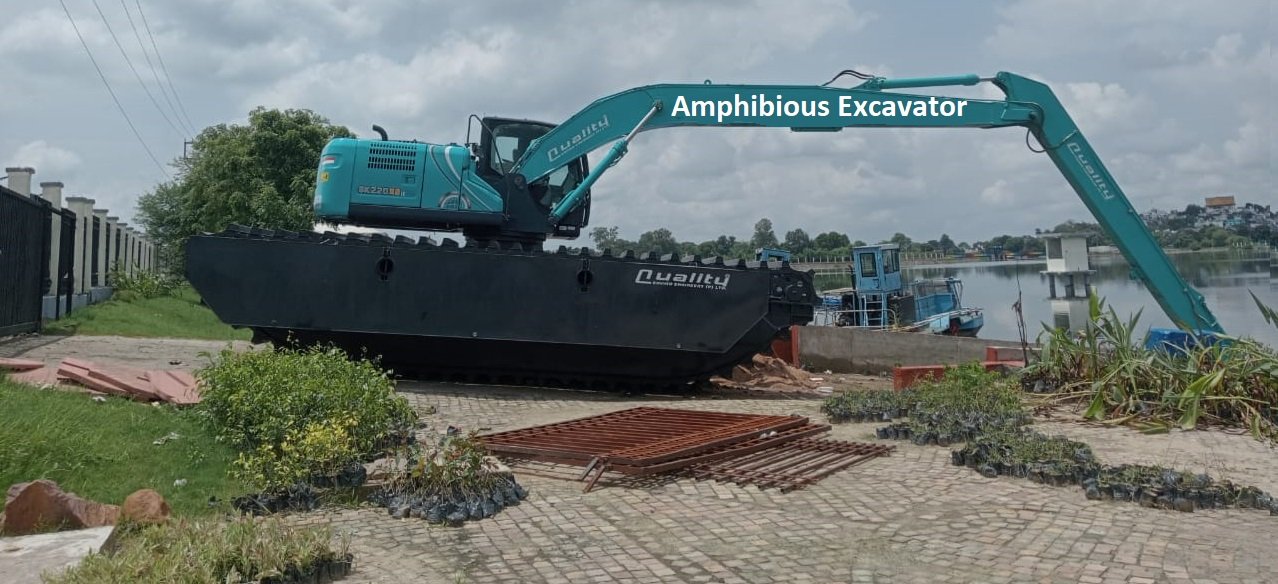
Amphibious Excavator Manufacturer in Tripura – Advanced Excavation Equipment for Wetlands, Ponds, Channels & Soft Terrain
Quality Enviro Engineers Ltd. is a specialized Amphibious Excavator Manufacturer in Tripura providing application-oriented excavation machinery for suitable wetlands, ponds, drainage channels, water-retention areas, river-adjacent locations and soft-ground worksites where conventional excavation equipment may require specialized access arrangements.
Amphibious Excavation Technology for Tripura's Wetlands, Water Channels, Ponds, Low-Lying Areas & Challenging Sites
Tripura contains numerous ponds, wetlands, streams, drainage channels, low-lying areas and water-associated landscapes where seasonal rainfall, sediment movement, vegetation and saturated soil can influence excavation activities. Amphibious excavators can be assessed for projects where flotation-supported mobility and hydraulic excavation are appropriate for the site.
Request a Quote ✉Amphibious Excavators for Tripura's Wetland Management, Drainage Maintenance and Waterbody Projects
Excavation work in Tripura can involve ponds, wetlands, drainage channels, small waterbodies, stream-side areas, low-lying terrain and other locations influenced by seasonal rainfall and water accumulation. Silt, clay, loose earth, vegetation and deposited material can affect access and excavation planning. Specialized amphibious machinery can be considered where wet or weak ground conditions create limitations for conventional excavation equipment.
Quality Enviro Engineers Ltd. supplies application-specific amphibious excavation equipment for appropriate desilting, waterbody maintenance, drainage excavation, sediment handling, wet-ground work and selected environmental projects. As a professional Amphibious Excavator Manufacturer in Tripura , the company can assess requirements based on ground conditions, water depth, excavation reach, machine capacity, attachment needs and project accessibility.
- Flotation-supported excavation equipment for appropriate weak and saturated surfaces.
- Specialized machinery for selected pond, wetland and waterbody maintenance applications.
- Excavation configurations suitable for mud, silt, clay and deposited soil.
- Hydraulic excavation systems for water-adjacent and access-limited locations.
- Equipment options for drainage, environmental and civil works.
- Application-based attachment selection according to material and excavation requirements.
Depending on the physical characteristics of the worksite, amphibious excavators may be evaluated for pond desilting, drainage channel cleaning, wetland maintenance, sediment excavation, stream-side work and other suitable water-influenced projects throughout Tripura.
Amphibious Equipment for Tripura's Ponds, Wetlands and Drainage Corridors
Tripura's water-associated environments include ponds, wetlands, streams, drainage routes and low-lying areas that can experience accumulation of silt, clay, organic matter, vegetation and loose soil. These materials may require periodic excavation or maintenance depending on the intended use of the site.
Work around these locations can become more demanding when the surrounding surface remains muddy or saturated. Quality Enviro Engineers Ltd. provides amphibious machinery that can be evaluated for suitable pond maintenance, drainage excavation, sediment removal, wetland management and selected water-resource activities across Tripura.
Amphibious excavators combine hydraulic digging equipment with a flotation-supported undercarriage intended for suitable wet and low-bearing environments. Machine operating weight, flotation dimensions, digging depth, hydraulic performance, working radius and attachment compatibility should be considered according to the actual worksite.
As a dependable Amphibious Excavator Supplier in Tripura , Quality Enviro Engineers Ltd. can discuss machinery requirements based on sediment type, water conditions, terrain profile, excavation workload and equipment mobilization requirements.
Amphibious Excavation Machinery for Tripura's Waterbody Restoration, Drainage Cleaning and Sediment Removal
Ponds, drainage channels and other water-retention areas can collect silt, fine soil, clay, organic deposits and aquatic vegetation over time. Heavy rainfall and surface runoff may transport additional material into selected water-associated locations.
For appropriate projects, amphibious excavation equipment can be considered for pond desilting, drainage-channel cleaning, sediment excavation, wetland maintenance, waterbody restoration and selected environmental activities.
Equipment selection should be based on the actual operating environment. Water depth, soil-bearing capacity, machine weight, flotation dimensions, sediment thickness, digging depth, hydraulic output and working reach can influence the required machinery configuration.
Quality Enviro Engineers Ltd. follows an application-focused approach while supplying amphibious excavation equipment for suitable environmental, drainage, civil and waterbody projects throughout Tripura.
Key Applications of Amphibious Excavators Across Tripura
Amphibious excavation machinery can be evaluated for selected locations where saturated ground, standing water, deposited material or restricted access makes conventional excavation positioning more difficult. Final equipment suitability should be established from the actual project conditions.
- ✔ Pond desilting and sediment excavation
- ✔ Wetland maintenance and localized excavation
- ✔ Drainage-channel cleaning and excavation
- ✔ Waterbody restoration activities
- ✔ Stream-side excavation applications
- ✔ Mud, clay and silt removal
- ✔ Low-lying ground excavation
- ✔ Sediment management projects
- ✔ Environmental maintenance applications
- ✔ Excavation in difficult-access areas
Flotation-Supported Excavation for Tripura's Soft, Wet and Saturated Terrain
Areas surrounding ponds, drainage channels, wetlands and water-retention locations can become soft or saturated during periods of rainfall and prolonged water exposure. Such conditions can affect equipment positioning and access for conventional land-based excavation machinery.
Amphibious excavators incorporate flotation-supported undercarriage components that can be assessed for suitable low-bearing and shallow-water applications. Practical suitability depends on ground strength, water depth, equipment loading, flotation characteristics and the requirements of the excavation activity.
- ✔ Flotation-supported machinery for suitable soft-ground locations
- ✔ Equipment configurations for selected shallow-water works
- ✔ Excavation solutions for ponds, wetlands and drainage routes
- ✔ Machinery suitable for appropriate silt, mud and clay excavation
- ✔ Equipment options for access-constrained worksites
- ✔ Hydraulic attachment options based on application requirements
- ✔ Project-specific assessment of machine configuration
Why Select Quality Enviro Engineers Ltd. for Amphibious Excavators in Tripura?
Water-associated excavation projects can differ considerably in terms of soil composition, sediment quantity, water level, working area and site accessibility. Quality Enviro Engineers Ltd. considers these project variables while discussing suitable amphibious excavation machinery for Tripura.
As an established Amphibious Excavator Manufacturer in Tripura , Quality Enviro Engineers Ltd. provides application-oriented equipment for appropriate pond desilting, wetland maintenance, drainage excavation, sediment removal, waterbody work and selected environmental applications.
Machine capacity, operating weight, flotation configuration, hydraulic output, excavation depth, working reach, attachment requirements, water conditions and transportation arrangements can be reviewed before identifying a suitable equipment arrangement.
Application-Based Amphibious Excavator Selection for Tripura Projects
Wetland maintenance, pond desilting, drainage excavation and sediment removal can involve different ground conditions and material characteristics. A project-specific evaluation helps establish the equipment specifications required for the proposed excavation work.
- ✔ Project Requirement Review: The excavation objective, material type, working area and expected workload are identified.
- ✔ Site Condition Assessment: Water depth, soil strength, terrain profile, access route and available working space are considered.
- ✔ Machine Capacity Evaluation: Operating weight, digging depth, excavator capacity and working reach are reviewed.
- ✔ Flotation Configuration: The flotation-supported undercarriage is evaluated according to the expected ground and water conditions.
- ✔ Attachment Matching: Hydraulic attachments can be selected according to silt, clay, mud, soil or other excavation materials.
- ✔ Hydraulic System Review: Hydraulic output and attachment requirements are considered for the intended excavation operation.
- ✔ Equipment Mobilization: Transportation routes, entry points, equipment dimensions and deployment conditions are reviewed.
If you are searching for a reliable Amphibious Excavator Manufacturer in Tripura , Quality Enviro Engineers Ltd. provides specialized machinery for suitable ponds, wetlands, drainage channels, waterbodies, stream-adjacent locations and other water-influenced worksites. Contact our team to discuss your excavation requirements.
Amphibious Excavation Solutions for Tripura's Wetlands, Ponds, Drainage Channels and Water-Associated Sites
Quality Enviro Engineers Ltd. is a specialized Amphibious Excavator Manufacturer in Tripura supplying application-oriented machinery for suitable waterbody, environmental, drainage, civil engineering and soft-ground excavation projects. Amphibious equipment can be assessed for ponds, wetlands, drainage channels, stream margins and other locations where water or weak ground influences equipment access.
Tripura's rainfall patterns and water-rich landscapes can contribute to sediment movement, vegetation growth, soil saturation and material accumulation in selected water-associated areas. These conditions can create periodic requirements for specialized excavation and maintenance equipment.
Specialized Amphibious Excavation Equipment for Tripura's Wetlands, Ponds, Drainage Systems & Soft Terrain
Excavation around Tripura's ponds, wetlands, drainage channels, water-retention areas and low-lying locations can involve silt, clay, mud, vegetation, saturated soil and changing water conditions. Amphibious equipment can be considered for suitable sites where flotation-supported mobility and hydraulic excavation correspond with the project requirements.
Quality Enviro Engineers Ltd. is an experienced Amphibious Excavator Manufacturer in Tripura supplying specialized machinery for suitable drainage, environmental, waterbody, civil and soft-ground excavation applications. Equipment selection can be based on the physical characteristics and operating conditions of each worksite.
The flotation-supported undercarriage provides a specialized arrangement that can be evaluated for selected wet, shallow-water and low-bearing locations. Actual suitability depends on ground strength, water depth, machine loading, flotation characteristics, excavation requirements and hydraulic specifications.
Flotation Support for Challenging Ground
Flotation-supported components can be evaluated for suitable saturated, muddy and low-bearing locations where conventional excavator access requires additional consideration.
Pond Desilting Capability
Appropriate amphibious configurations can be considered for pond maintenance involving accumulated silt, clay, mud and other suitable deposited materials.
Wetland and Waterbody Maintenance
Amphibious excavation machinery can be assessed for suitable wetland, pond and waterbody maintenance where water presence and ground conditions influence conventional equipment access.
Drainage Channel Excavation
Specialized machinery can be evaluated for selected drainage excavation, channel cleaning and sediment-removal operations involving wet or difficult-access conditions.
Silt, Mud and Clay Excavation
Equipment and hydraulic attachments can be assessed for appropriate excavation of accumulated silt, mud, clay, fine soil and other materials encountered around selected water-associated sites.
Application-Matched Machine Configuration
Excavator capacity, flotation dimensions, hydraulic performance, digging depth, operating reach, attachment selection, site access and transportation requirements can be reviewed for individual Tripura projects.
Amphibious Excavation Solutions for Tripura's Waterbody, Environmental and Infrastructure Requirements
Amphibious excavators integrate hydraulic excavation machinery with flotation-supported undercarriage components that can be assessed for suitable wet, shallow-water and low-bearing environments. This specialized arrangement may provide an alternative for selected locations where conventional land-based excavators encounter challenges associated with saturated soil, water proximity or restricted access.
Potential applications across Tripura include pond desilting, wetland maintenance, drainage-channel cleaning, sediment excavation, waterbody maintenance, stream-side work, low-lying area excavation and selected environmental or civil infrastructure activities. Equipment selection should consider water depth, soil conditions, sediment type, excavator capacity, digging depth, operating reach and hydraulic attachment requirements.
Quality Enviro Engineers Ltd., as an established Amphibious Excavator Manufacturer in Tripura , follows an application-oriented approach when discussing specialized excavation equipment. Project requirements can be reviewed to understand flotation needs, operating conditions, hydraulic performance, attachment compatibility, excavation objectives, site accessibility and transportation arrangements before determining a suitable machinery configuration.
Advanced Amphibious Excavation Machinery for Tripura's Lakes, Wetlands, Rivers, Low-Lying Areas & Water Infrastructure
Tripura's natural and developed water environments include rivers, wetlands, ponds, lakes, drainage channels, low-lying areas and water-management infrastructure. Seasonal rainfall, soft terrain, deposited silt and waterlogged surfaces can create specialized excavation requirements. Quality Enviro Engineers Ltd. is a trusted Amphibious Excavator Manufacturer in Tripura , providing application-oriented machinery for suitable wet-ground, waterbody, drainage, sediment-removal and infrastructure projects.
Wetland & Marshy Terrain Excavation
Selected wetland and marshy areas in Tripura can contain saturated soil, organic deposits, loose sediment and standing water. These conditions may create access and ground-support challenges for conventional excavation machinery.
Amphibious excavators can be evaluated for suitable wetland excavation activities after reviewing water depth, terrain stability, operating load, flotation characteristics and the proposed excavation scope.
Lake, Pond & Waterbody Desilting
Ponds, lakes and other waterbodies can gradually collect silt, fine soil, mud, aquatic vegetation and organic material through runoff and natural sediment movement. Periodic excavation may be required in selected waterbody maintenance projects.
Specialized amphibious machinery can be considered for suitable desilting work by assessing deposit thickness, water conditions, excavation depth, machine reach, flotation requirements and site access.
Soft Soil & Waterlogged Site Operations
Water-saturated soil can have variable bearing characteristics and may restrict the movement of heavy land-based equipment. Excavation planning for such areas requires consideration of terrain condition, machine loading and accessibility.
Amphibious excavators provide a specialized flotation-supported configuration that can be assessed for appropriate soft-ground applications according to ground strength, water depth and equipment requirements.
Drainage Channel & Waterway Maintenance
Drainage routes and small waterways can receive sediment, vegetation, loose earth and other transported material during heavy rainfall and surface runoff. Accumulation may create maintenance requirements along selected stretches.
Amphibious excavation equipment can be assessed for suitable drainage and waterway work where muddy surfaces, standing water or limited access make conventional equipment deployment more difficult.
Project-Specific Amphibious Machinery Configuration
Excavation requirements can differ between Tripura's waterbodies, drainage corridors, river margins, wetlands and infrastructure sites. Machine selection should therefore reflect the actual physical and operational characteristics of each project.
Quality Enviro Engineers Ltd. can evaluate excavator capacity, flotation arrangement, hydraulic performance, digging depth, working radius and attachment requirements for appropriate projects in Tripura.
Flotation-Supported Access Near Water
River margins, pond edges, shallow-water locations and saturated terrain can present access limitations for standard excavators. Specialized machinery may be considered where flotation-based access is relevant to the proposed work.
Amphibious excavators can be evaluated according to flotation dimensions, machine loading, water depth, ground characteristics and the excavation activity planned for the site.
Mud, Silt & Deposited Material Removal
Waterbodies, drainage systems and low-lying areas may collect fine sediment, mud, clay and loose soil as a result of runoff, erosion and natural deposition. Selected locations may require specialized material-removal equipment.
Amphibious excavation machinery can be considered for appropriate sediment removal after reviewing material consistency, deposit depth, water level, excavation quantity and required working reach.
Riverbank & Environmental Excavation Applications
Riverbanks, wetlands and water-management locations can combine loose sediment, wet soil, vegetation and difficult access. Specialized excavation planning may therefore be required for selected environmental and infrastructure works.
As an experienced Amphibious Excavator Manufacturer in Tripura , Quality Enviro Engineers Ltd. considers flotation requirements, machine capacity, hydraulic performance and site conditions while discussing suitable equipment.
Specialized Amphibious Excavation Solutions for Tripura's Wetlands, Waterbodies, Drainage Systems & River Environments
Tripura contains a variety of water-associated environments, including rivers, ponds, wetlands, drainage channels, low-lying terrain and water-management structures. Seasonal rainfall, runoff, sediment movement and saturated ground can produce different excavation conditions from one location to another.
Amphibious excavators combine hydraulic excavation capability with flotation-supported undercarriage components that can be evaluated for suitable shallow-water, wet-ground and low-bearing applications. Depending on site conditions, this specialized equipment may be considered for waterbody desilting, drainage maintenance, sediment excavation, riverbank work and selected environmental projects.
Quality Enviro Engineers Ltd. is a professional Amphibious Excavator Manufacturer in Tripura , offering application-focused machinery solutions. Equipment requirements can be reviewed according to operating weight, flotation configuration, hydraulic output, excavation depth, working reach, attachment compatibility, water conditions, ground strength and site accessibility.
Where Amphibious Excavators Can Be Used Across Tripura's Waterways, Wetlands, Ponds & Difficult-Access Sites
Quality Enviro Engineers Ltd. supplies specialized amphibious excavation machinery for suitable water-management, environmental, civil and infrastructure applications across Tripura. Equipment suitability can be assessed according to terrain, water conditions, sediment characteristics, access limitations and excavation goals.
Pond & Community Waterbody Restoration
Ponds and smaller water-retention structures can accumulate silt, mud, fine soil, aquatic vegetation and organic deposits over time. Such accumulation may affect the usable profile and maintenance requirements of selected waterbodies.
Amphibious excavators can be evaluated for suitable pond excavation and desilting operations where flotation-supported access and hydraulic digging capability correspond with the worksite.
Water depth, sediment thickness, pond dimensions, machine reach, access routes and expected excavation volume can be reviewed before determining an appropriate machinery arrangement.
Wetland Sediment Management & Vegetation-Affected Excavation
Wetland environments can contain soft soil, standing water, deposited sediment and vegetation. These characteristics may make conventional machinery access more difficult at selected locations.
Suitable amphibious equipment can be considered for appropriate excavation and sediment-management activities after reviewing water depth, ground conditions, machine loading and the physical characteristics of the work area.
The required working reach, excavation depth, access arrangement, material condition and expected workload can be evaluated as part of project planning.
Low-Lying & Saturated Ground Excavation
Low-lying locations can become saturated during periods of rainfall or prolonged water retention. Soft surfaces may present different support conditions compared with firm land and can influence conventional equipment deployment.
Amphibious excavation machinery can be assessed for appropriate low-bearing applications where its flotation-supported configuration is compatible with the proposed work.
Ground strength, water depth, operating weight, flotation dimensions, digging depth and working radius should be considered before deployment at the selected site.
Riverbank & Channel-Side Excavation
River margins and channel-side areas can contain wet soil, loose sediment, mud and deposited material. Access may become challenging where excavation has to be performed close to flowing or standing water.
Amphibious equipment can be assessed for suitable river-associated applications by considering flotation requirements, water conditions, ground stability and machine dimensions.
Site entry, operating load, excavation depth, material composition, water level and working reach can be reviewed to establish a suitable equipment configuration.
Rainwater Drainage & Sediment-Clearing Operations
Drainage channels can receive loose earth, silt, vegetation and transported deposits during heavy rainfall and surface runoff. Accumulated material may require excavation from selected sections of the drainage network.
Appropriate amphibious excavators can be considered where standing water, muddy surfaces or limited access affects the practical use of conventional land-based excavation equipment.
Channel dimensions, water depth, sediment volume, ground condition, excavation depth and machine reach can be assessed while preparing the project machinery requirement.
Tailored Amphibious Excavator Solutions for Tripura Projects
Water-associated projects can differ significantly in terms of sediment composition, terrain, water depth, accessibility and excavation workload. A project-specific equipment review helps identify the machinery characteristics relevant to the proposed application.
Quality Enviro Engineers Ltd. can discuss excavator capacity, flotation dimensions, undercarriage arrangement, hydraulic performance, digging depth, working radius and attachment options for suitable amphibious excavation projects in Tripura.
As a dependable Amphibious Excavator Manufacturer in Tripura , our equipment-planning approach considers the proposed application, site conditions, machine loading, water characteristics and excavation objectives.
Amphibious Excavator Manufacturer & Supplier for Tripura's Waterbody, Wetland, Drainage & Infrastructure Applications
Quality Enviro Engineers Ltd. is an experienced Amphibious Excavator Manufacturer in Tripura , supplying specialized excavation machinery for suitable ponds, wetlands, drainage channels, riverbanks, waterbodies and other water-influenced worksites.
Amphibious excavation equipment offers a specialized configuration for locations where shallow water, saturated terrain, sediment, muddy surfaces or restricted access can influence the operation of conventional land-based excavators. Final equipment suitability depends on the selected machine configuration and actual site conditions.
If you are searching for a dependable Amphibious Excavator Supplier in Tripura , Quality Enviro Engineers Ltd. can discuss suitable machinery for pond desilting, wetland excavation, drainage maintenance, riverbank work, sediment removal, waterbody restoration and other appropriate wet-ground excavation requirements.
Tripura-Oriented Amphibious Excavation Equipment for Wetlands, Waterbodies, River Corridors, Drainage & Soft Terrain
Excavation sites across Tripura can present different combinations of wet soil, standing water, sediment deposits, vegetation and restricted access. Quality Enviro Engineers Ltd., a professional Amphibious Excavator Manufacturer in Tripura , provides application-focused machinery for suitable water-associated excavation and maintenance projects.
Equipment assessment may include flotation arrangement, operating weight, excavator capacity, hydraulic output, digging depth, working reach, attachment compatibility, water depth, ground strength and access conditions at the proposed location.
Application
★★★★★
Pond Desilting & Restoration
Ponds can receive fine soil, silt, mud, organic deposits and vegetation through runoff and natural accumulation. Selected waterbodies may require periodic excavation and maintenance.
Machinery planning can consider pond dimensions, water depth, deposit thickness, machine reach and flotation requirements.
Waterbody Maintenance
Application
★★★★★
Wetland Excavation
Wetland locations can contain soft ground, standing water, vegetation and accumulated sediment, creating different access conditions for excavation activities.
Equipment evaluation can include ground characteristics, flotation capacity, water depth and required working reach.
Wetland Application
Application
★★★★★
Drainage Channel Maintenance
Drainage routes can collect silt, loose earth, vegetation and transported material during periods of rainfall and runoff.
Equipment planning can review channel dimensions, water presence, sediment depth, digging requirements and machine reach.
Drainage Application
Application
★★★★★
Waterlogged Ground Excavation
Saturated ground can have variable bearing capacity and may restrict access for conventional heavy machinery at selected locations.
Amphibious equipment can be assessed by considering machine loading, flotation dimensions, water depth and ground strength.
Soft-Ground Application
Application
★★★★★
Silt, Mud & Sediment Removal
Waterbodies and drainage systems can receive mud, fine soil, clay and silt through erosion, rainfall and natural sediment transport.
Equipment selection can consider material consistency, deposit thickness, water conditions, flotation arrangement and working depth.
Sediment Management
Application
★★★★★
Riverbank & Environmental Projects
Riverbanks and environmental water-management locations can combine wet soil, sediment, vegetation and difficult access, requiring specialized excavation planning.
Project requirements can be reviewed to evaluate machine capacity, flotation configuration, hydraulic attachments and operating conditions.
Environmental Application
Application-Focused Amphibious Excavator Solutions for Tripura's Wetlands, Ponds, Rivers & Drainage Infrastructure
Tripura's water-associated worksites can vary in terms of water depth, sediment deposition, soil strength, vegetation, accessibility and excavation objectives. Specialized machinery selection therefore requires consideration of the actual conditions at the proposed worksite.
Organizations searching for an Amphibious Excavator Manufacturer in Tripura or an experienced Amphibious Excavator Supplier in Tripura can discuss their requirements with Quality Enviro Engineers Ltd. Machinery planning may include excavator capacity, flotation configuration, hydraulic performance, digging depth, working reach, attachment selection and site-specific operating conditions.
Amphibious Excavator Manufacturer in Tripura for Wetland, Waterbody, Riverbank & Soft-Ground Excavation
Tripura includes rivers, ponds, wetlands, drainage channels, low-lying areas and various water-management locations where excavation conditions can change according to rainfall, water levels, sediment movement and soil characteristics. Quality Enviro Engineers Ltd. is a professional Amphibious Excavator Manufacturer in Tripura , supplying specialized machinery for suitable wet-ground, water-associated and difficult-access excavation requirements.
Amphibious excavators combine hydraulic excavation capability with flotation-supported undercarriage components that can be considered for suitable shallow-water and low-bearing environments. Depending on the worksite, this specialized equipment can be assessed for pond desilting, wetland maintenance, drainage excavation, sediment removal, riverbank work and selected environmental applications.
Machinery selection should be based on actual project conditions. Factors such as operating weight, flotation dimensions, water depth, soil strength, sediment properties, digging depth, hydraulic capacity, working reach, attachment compatibility and site accessibility can influence equipment suitability.
Amphibious Excavators for Tripura's Ponds, Lakes & Water-Retention Areas
Ponds and other water-retention areas can gradually receive silt, mud, fine soil, organic deposits and aquatic vegetation. Runoff and natural sediment movement may contribute to deposition within selected portions of these waterbodies.
Suitable amphibious excavators can be evaluated for pond excavation and desilting operations where flotation-supported access, machine capacity and hydraulic excavation capability correspond with the proposed application.
Water depth, deposit thickness, pond profile, access routes, excavation volume and material characteristics can be reviewed when planning the appropriate machinery configuration.
Amphibious Excavation Equipment for Tripura's Wetlands & Marshy Areas
Wetlands and marshy areas can contain saturated soil, shallow water, vegetation and accumulated organic or mineral deposits. These conditions may create different access requirements compared with firm land.
Amphibious excavation machinery can be considered for suitable wetland maintenance and sediment-removal applications where the flotation configuration is compatible with the physical conditions of the site.
Ground characteristics, water depth, operating load, excavation depth, machine reach and access limitations can be assessed before equipment deployment.
Amphibious Excavators for Tripura's Waterlogged & Low-Bearing Sites
Areas affected by prolonged water retention or heavy rainfall can develop saturated and soft ground conditions. Such surfaces may present challenges for positioning conventional heavy excavation equipment.
Suitable amphibious systems can be evaluated for locations where flotation-supported mobility provides an appropriate configuration for the proposed excavation activity.
Ground-bearing characteristics, machine loading, flotation dimensions, water depth, digging requirements and working conditions should be reviewed before selecting equipment for a particular project.
Amphibious Excavation Machinery for Tripura's Drainage Channels
Drainage channels can receive silt, loose soil, vegetation and other transported material during rainfall and surface runoff. Accumulated deposits may require excavation from selected sections to support channel maintenance activities.
Amphibious equipment can be assessed for suitable drainage applications where standing water, muddy ground or restricted access influences the practical use of conventional excavators.
Mud, Silt & Sediment Excavation Equipment for Tripura
Fine soil, mud, clay and silt can accumulate within ponds, drainage routes, wetlands and other water-associated areas through erosion, runoff and natural sediment transport. Continued deposition can influence maintenance requirements.
Amphibious excavators can be considered for suitable sediment-removal activities after reviewing material consistency, deposition depth, water level, excavation quantity and required machine reach.
Hydraulic performance, flotation configuration, operating weight and attachment selection can also be evaluated according to the material type and working environment.
Amphibious Excavators for Tripura's Riverbank & Watercourse Projects
Riverbanks and watercourse margins can contain wet soil, loose sediment, mud and deposited material. Access can become more demanding when excavation needs to take place close to flowing water or across saturated ground.
Depending on project conditions, amphibious machinery can be evaluated for suitable riverbank excavation, sediment-management and watercourse-maintenance applications.
Amphibious Excavation Solutions for Tripura's Environmental Projects
Environmental projects may involve wetlands, ponds, drainage corridors, river margins and other water-associated areas. Each location can present different combinations of vegetation, soil conditions, water levels, sediment characteristics and access limitations.
Specialized amphibious equipment can be considered for appropriate waterbody maintenance, sediment excavation, drainage work and other environmental applications where the selected machinery configuration matches the physical characteristics of the site.
Project-Based Amphibious Excavator Selection in Tripura
Amphibious excavation requirements can vary between ponds, wetlands, drainage channels, riverbanks and waterlogged areas. Excavator capacity, operating weight, flotation dimensions, hydraulic output, digging depth, working radius and attachment configuration can influence the selection process.
Quality Enviro Engineers Ltd. follows an application-focused approach while discussing amphibious excavation machinery. Information such as water depth, soil strength, sediment composition, excavation objective, access limitations and expected workload can be reviewed before identifying relevant equipment characteristics.
Amphibious Excavator Supplier for Tripura's Water & Environmental Works
Civil contractors, infrastructure organizations, environmental projects, water-management agencies and other specialized worksites may require machinery for excavation in wet or difficult-access locations. Amphibious equipment can be evaluated where water or weak ground conditions influence conventional excavation operations.
As an experienced Amphibious Excavator Supplier in Tripura , Quality Enviro Engineers Ltd. provides application-oriented machinery solutions for pond desilting, wetland maintenance, drainage excavation, riverbank work, sediment removal, waterbody maintenance and other suitable specialized projects.
Quality Enviro Engineers Ltd. – Amphibious Excavator Manufacturer in Tripura
Quality Enviro Engineers Ltd. is a professional Amphibious Excavator Manufacturer in Tripura , supplying specialized excavation machinery for suitable ponds, wetlands, drainage channels, riverbanks, waterlogged areas and other water-influenced worksites.
Our application-based equipment planning considers the proposed excavation activity, soil characteristics, sediment type, water depth, ground conditions, machine capacity, flotation requirements, hydraulic performance, working reach, site accessibility and attachment requirements. These factors help determine whether a particular amphibious configuration is suitable for the proposed Tripura project.
Whether the requirement involves pond desilting, wetland excavation, drainage-channel maintenance, riverbank work, sediment removal, waterbody restoration or another suitable wet-ground application, our team can discuss equipment characteristics according to the intended use.
If you are searching for a reliable Amphibious Excavator Manufacturer in Tripura or an experienced Amphibious Excavator Supplier in Tripura , contact Quality Enviro Engineers Ltd. to discuss your project requirements, including water conditions, soil strength, sediment characteristics, excavation scope, machine capacity, working reach, hydraulic requirements, attachment selection and specialized amphibious excavation needs.
Amphibious Excavation Solutions for Tripura's Wetlands, River Basins, Ponds, Canals & Low-Lying Construction Areas
Tripura contains numerous rivers, wetlands, ponds, irrigation structures, drainage channels, low-lying agricultural areas and water-influenced landscapes where excavation conditions can change significantly between locations and seasons. Soft soil, accumulated sediment, standing water and restricted access can create requirements for specialized excavation machinery. Quality Enviro Engineers Ltd. is a professional Amphibious Excavator Manufacturer in Tripura , offering specialized equipment for appropriate wet-ground, shallow-water and difficult-access excavation applications.
Amphibious excavators provide a specialized combination of hydraulic excavation capability and flotation-supported mobility for evaluating suitable water-associated worksites. Depending on actual site conditions, this equipment may be considered for pond restoration, irrigation-channel maintenance, drainage excavation, sediment removal, riverbank work, wetland maintenance and selected infrastructure applications.
Machinery selection should be based on the physical characteristics of each Tripura project. Water depth, soil bearing capacity, sediment composition, excavation depth, machine reach, operating weight, flotation dimensions, hydraulic requirements, attachment compatibility and site-entry conditions can all influence the suitability of an amphibious excavator configuration.
Amphibious Excavators for Tripura's Irrigation Channels and Agricultural Waterways
Irrigation and agricultural water channels can gradually accumulate silt, clay, fine soil, vegetation and other transported deposits. Seasonal rainfall and surface runoff may further alter channel conditions and create localized requirements for excavation and maintenance.
Suitable amphibious machinery can be assessed for channel excavation according to water presence, channel dimensions, bank stability, sediment depth, ground conditions and the operating reach required for the proposed work.
Specialized Amphibious Machinery for Tripura's Ponds, Wetlands and Water-Storage Areas
Ponds, wetlands and water-storage locations can receive material from surrounding land through rainfall, runoff and natural erosion. Silt, mud, organic deposits and fine soil may settle at different depths across the same waterbody.
Amphibious excavation equipment can be considered for appropriate waterbody maintenance and sediment-removal activities after reviewing water depth, deposit characteristics, excavation quantity, machine positioning, flotation requirements and site accessibility.
Site-Specific Amphibious Excavator Planning for Tripura's Challenging Work Environments
A river margin, pond edge, wetland, drainage route, irrigation channel or saturated construction area can present different excavation conditions. Soil strength, water depth, sediment consistency, accessibility and expected workload can therefore affect the machinery requirements for each application.
Quality Enviro Engineers Ltd. considers relevant equipment parameters including excavator capacity, flotation arrangement, hydraulic output, digging depth, operating radius, undercarriage configuration and attachment compatibility while discussing appropriate amphibious excavation machinery for projects in Tripura.
Potential Amphibious Excavator Applications in Tripura
Amphibious excavation machinery can be evaluated for selected Tripura worksites where standing water, saturated soil, soft terrain, sediment accumulation or restricted access can affect the deployment of conventional land-based excavators.
- Cleaning and excavation of suitable irrigation channels and agricultural water-distribution routes
- Removal of accumulated silt and sediment from appropriate ponds, wetlands and water-storage areas
- Excavation and maintenance along selected riverbanks and water-adjacent locations
- Desilting of drainage channels, stormwater routes and suitable water-control structures
- Excavation of mud, clay, fine soil, silt and organic deposits from appropriate water-associated sites
- Work on saturated and low-bearing surfaces where flotation-supported access may be suitable
- Selected wetland, marshy-area and environmental waterbody maintenance activities
- Civil infrastructure and water-management projects involving wet, soft or difficult-access ground conditions
Irrigation contractors, civil engineering companies, infrastructure developers, environmental organizations, water-management agencies and other project operators searching for an experienced Amphibious Excavator Manufacturer in Tripura can contact Quality Enviro Engineers Ltd. to discuss their equipment requirements. Project assessment may include water depth, soil conditions, sediment profile, excavation quantity, access limitations, machine capacity and anticipated operating conditions.
Specialized Amphibious Excavation Equipment for Tripura's Rivers, Wetlands, Irrigation Networks and Soft Ground
Excavation activities in Tripura can involve riverbanks, ponds, wetlands, irrigation channels, drainage systems, low-lying agricultural areas and other locations influenced by water and seasonal rainfall. Soft terrain, deposited material and restricted access can require careful equipment planning. Quality Enviro Engineers Ltd. is an established Amphibious Excavator Manufacturer in Tripura , supplying specialized machinery for suitable wet-ground and water-associated excavation requirements.
The flotation-supported arrangement of amphibious machinery can provide a specialized option for evaluating selected sites where conventional excavation equipment may encounter limitations because of soft soil or shallow water. Equipment suitability depends on the actual operating environment, including ground strength, water depth, machine loading, excavation requirements and the specifications of the selected configuration.
Maintenance of Irrigation and Agricultural Water Channels
Water-distribution channels serving agricultural areas can collect silt, clay, vegetation, fine soil and other deposits carried through rainfall and surface runoff. Accumulation can develop in particular sections and create periodic excavation requirements.
Amphibious equipment can be evaluated for appropriate channel maintenance by considering channel dimensions, water conditions, sediment depth, bank characteristics, ground support and required operating reach.
Pond and Wetland Sediment Excavation
Ponds and wetland areas can receive sediment, mud, organic matter and fine soil from surrounding land and natural runoff. Deposits may differ in consistency and depth across different sections of a waterbody.
Appropriate amphibious machinery can be considered for selected sediment excavation projects after evaluating water depth, deposit thickness, excavation quantity, flotation requirements and access to the work area.
Excavation Across Soft and Saturated Ground
Water-affected agricultural land, drainage margins and low-lying areas can contain saturated soil with variable bearing capacity. Such conditions can influence the movement and positioning of heavy excavation equipment.
Amphibious excavators can be assessed for suitable soft-ground operations by reviewing operating weight, flotation area, soil characteristics, water presence and the intended excavation activity.
Drainage and Rainwater Channel Excavation
Drainage routes can collect silt, loose soil, vegetation and other transported material during periods of rainfall. Deposits may build up at specific points and create requirements for excavation and channel maintenance.
Specialized amphibious equipment can be evaluated for suitable drainage applications where muddy surroundings, saturated ground or standing water can restrict conventional equipment access.
Flotation-Assisted Access Along Water Margins
Riverbanks, pond edges, wetland boundaries and irrigation structures can have variable ground-support conditions. Equipment selection should account for the physical characteristics of the area where the excavator is expected to operate.
Flotation-supported amphibious machinery can be considered for suitable locations by reviewing operating load, flotation dimensions, water depth, ground strength and the required excavation method.
Wetland and Environmentally Sensitive Ground Applications
Wetland environments can contain soft soil, water, organic deposits, vegetation and accumulated sediment. Access and equipment loading can therefore become important considerations during excavation planning.
Amphibious excavation systems can be evaluated for suitable environmental applications after considering site access, ground characteristics, water conditions and the specific nature of the proposed excavation work.
Riverbank and Watercourse Maintenance in Tripura
River margins and watercourses can contain soft sediment, eroded soil, mud and shallow-water areas. Certain locations may be difficult to approach with standard land-based machinery because of surrounding ground and water conditions.
Amphibious equipment can be assessed for appropriate river-edge applications by reviewing shoreline characteristics, water depth, material type, operating radius and required digging depth.
Customized Amphibious Excavator Selection for Tripura Projects
Drainage excavation, pond maintenance, irrigation-channel cleaning, sediment removal, riverbank work and wet-ground excavation can each require different machinery characteristics depending on the worksite.
Quality Enviro Engineers Ltd. can review the proposed application while discussing excavator capacity, flotation configuration, hydraulic performance and attachment requirements for suitable infrastructure, environmental and water-management projects across Tripura.
Amphibious Excavator Manufacturer and Supplier for Tripura's Wetland, River and Water-Management Projects
Amphibious excavators provide a specialized machinery option for selected projects involving ponds, wetlands, irrigation channels, riverbanks, drainage systems and other water-affected worksites. Their flotation-supported arrangement can be evaluated where soft ground, shallow water, saturated soil or restricted access influences the use of conventional excavation equipment.
Quality Enviro Engineers Ltd. is a dependable Amphibious Excavator Manufacturer in Tripura , providing application-focused machinery for suitable pond excavation, sediment removal, irrigation-channel maintenance, drainage work, riverbank excavation, wet-ground operations and other specialized projects.
Organizations searching for an experienced Amphibious Excavator Supplier in Tripura can discuss their requirements with Quality Enviro Engineers Ltd. Equipment planning may include excavator capacity, flotation dimensions, water depth, ground-bearing conditions, excavation volume, hydraulic attachments, operating reach and transportation requirements.
Tripura Amphibious Excavation Machinery for Rivers, Wetlands, Ponds, Drainage Networks and Saturated Terrain
Quality Enviro Engineers Ltd. supplies application-oriented amphibious excavation machinery for suitable Tripura locations where water, saturated soil, sediment deposits, soft terrain or limited access can affect conventional excavation operations. As a professional Amphibious Excavator Manufacturer in Tripura , we consider the proposed application and worksite characteristics while discussing appropriate equipment configurations.
Amphibious excavation systems combine hydraulic digging capability with flotation-supported undercarriage components intended for consideration in selected water-influenced and low-bearing environments. Depending on project conditions, this machinery can be evaluated for pond desilting, wetland maintenance, irrigation-channel work, drainage excavation, riverbank operations, sediment removal and other appropriate water-associated activities.
Selecting an amphibious excavator involves reviewing several technical factors, including operating weight, flotation characteristics, hydraulic output, water depth, ground-bearing strength, excavation depth, working radius, attachment compatibility and site accessibility. These parameters can help determine whether a particular machine configuration is suitable for the intended Tripura project.
Amphibious Equipment for Tripura's Irrigation and Agricultural Channels
Irrigation routes can collect silt, clay, vegetation and loose soil carried by surface runoff and water movement. Deposits can gradually develop along specific channel sections and require periodic excavation.
Amphibious undercarriage systems can be assessed for appropriate irrigation environments according to channel width, water conditions, sediment depth, bank stability, machine loading and required operating reach.
Amphibious Excavators for Tripura's Ponds, Wetlands and Water Storage Areas
Ponds, wetlands and water-storage structures can receive sediment and organic deposits through runoff and natural material movement. The consistency and depth of these deposits may vary across the waterbody.
Our Amphibious Excavators in Tripura can be evaluated for suitable desilting and sediment-excavation work based on water depth, deposit characteristics, excavation quantity, flotation requirements and equipment reach.
Amphibious Machinery for Mud, Silt, Clay and Organic Sediment Removal
Rainfall and surface-water movement can transport fine soil, mud, clay, silt and organic material into ponds, wetlands, channels and drainage routes. These materials can settle at different locations depending on local flow and site characteristics.
Amphibious machinery can be considered for appropriate sediment excavation after evaluating material consistency, deposit depth, water conditions, excavation volume and required working radius.
Tripura Worksite Assessment Before Amphibious Excavator Deployment
Rivers, wetlands, ponds, drainage corridors and irrigation areas can differ considerably in ground strength, water depth, accessibility and sediment characteristics. These variations can influence the practical deployment of specialized excavation machinery.
Quality Enviro Engineers Ltd. can review the proposed excavation activity, site conditions, access limitations and equipment requirements while discussing a suitable amphibious excavator configuration.
Important Technical Parameters for Amphibious Excavator Selection in Tripura
Machine capacity, undercarriage design, flotation dimensions, hydraulic performance and attachment compatibility can influence the selection of specialized amphibious excavation equipment.
Operating weight, water depth, ground-bearing capacity, digging depth, sediment properties, working reach and transportation requirements should be reviewed in relation to the proposed application.
Amphibious Excavation for Rain-Affected and Waterlogged Locations in Tripura
Seasonal rainfall can change the conditions around drainage channels, ponds, river margins, wetlands and low-lying areas. Saturated soil and muddy surfaces can influence the accessibility of conventional land-based excavation equipment.
Amphibious excavators can be evaluated for suitable drainage, sediment-removal and soft-ground applications according to actual water conditions, soil characteristics and the defined operating limits of the equipment.
Hydraulic Attachment Options for Tripura's Waterbody Excavation Projects
Different activities such as mud excavation, sediment handling, channel cleaning, vegetation management and general earthwork can require different hydraulic attachments.
Attachment selection can be considered alongside excavator capacity, hydraulic output, material characteristics, digging depth and operating reach to suit the intended application.
Amphibious Excavator Supplier Support for Projects Throughout Tripura
Quality Enviro Engineers Ltd. assists organizations seeking a reliable Amphibious Excavator Supplier in Tripura by discussing excavator capacity, flotation arrangements, hydraulic systems, attachments and the proposed operating environment.
Water conditions, ground strength, sediment characteristics, excavation scope, machine reach, site accessibility and anticipated workload can be considered during equipment planning.
Amphibious Excavation for Tripura's Drainage and Water-Flow Infrastructure
Drainage channels and water-flow structures can receive soil, vegetation, silt and other transported material during rainfall and runoff. Accumulation patterns can vary according to water movement and local site conditions.
Amphibious equipment can be evaluated for suitable desilting, channel excavation and maintenance operations where wet surroundings or restricted access can affect conventional machinery deployment.
Complete Amphibious Excavator Planning for Tripura Worksites
Specialized excavation equipment selection begins with understanding the worksite and the intended excavation activity. Water depth, soil condition, sediment type, excavation quantity, machine capacity, flotation arrangement, digging depth and access requirements can all contribute to the planning process.
Quality Enviro Engineers Ltd. can discuss these requirements while evaluating suitable amphibious excavation machinery for projects across Tripura.
Why Choose Quality Enviro Engineers Ltd. for Amphibious Excavators in Tripura?
Specialized excavation machinery should be evaluated according to the physical conditions of the proposed worksite and the expected excavation workload. Water depth, ground-bearing characteristics, sediment properties, operating weight, flotation dimensions, hydraulic performance, digging depth, working radius and attachment compatibility can all be relevant during equipment assessment.
As an experienced Amphibious Excavator Manufacturer in Tripura , Quality Enviro Engineers Ltd. provides specialized machinery for suitable ponds, wetlands, irrigation channels, riverbanks, drainage routes, saturated ground, sediment-removal work and other difficult-access applications.
If you are searching for a reliable Amphibious Excavator Manufacturer in Tripura or an established Amphibious Excavator Supplier in Tripura , contact Quality Enviro Engineers Ltd. to discuss your project location, water conditions, soil characteristics, sediment profile, excavation quantity, machine capacity, working reach, hydraulic attachments, transportation requirements and preferred amphibious excavator configuration.
Selecting Amphibious Excavation Machinery for Tripura's Rivers, Wetlands, Ponds, Channels and Soft Terrain
Tripura's rivers, ponds, wetlands, irrigation channels, drainage routes and low-lying areas can present changing combinations of water, soil, sediment and accessibility. Rainfall and seasonal water movement may further influence site conditions. Where soft terrain, standing water or difficult access affects conventional excavation operations, specialized machinery can be considered. Quality Enviro Engineers Ltd. is a professional Amphibious Excavator Manufacturer in Tripura , providing equipment for suitable wet-ground and water-associated excavation applications.
1. Identify the Type of Worksite
Begin by determining whether the project involves a pond, wetland, irrigation channel, riverbank, drainage corridor, water-storage area or another location affected by water.
Understanding the worksite helps establish the relevant machine characteristics, access requirements, attachment needs and expected excavation method.
2. Determine the Existing Water Depth
Water levels can vary considerably between ponds, channels, wetlands and river-adjacent locations. Seasonal rainfall and local water flow can also change the operating environment.
Water depth should be considered together with the flotation characteristics, dimensions and specified operating capabilities of the proposed amphibious excavator.
3. Estimate the Quantity of Material to Be Excavated
Excavation projects can range from localized sediment removal to larger channel, pond or waterbody maintenance activities involving material distributed across wider areas.
Machine capacity, hydraulic performance and anticipated productivity should be reviewed in relation to the estimated material quantity, project duration and excavation conditions.
4. Assess Soil, Mud and Sediment Composition
Tripura worksites can contain combinations of silt, clay, mud, fine soil, sand, vegetation and organic deposits. Material conditions can also change from one section of a site to another.
Deposit thickness, material consistency and expected excavation volume should be considered while evaluating hydraulic performance and attachment requirements.
5. Determine the Required Working Radius
Pond edges, riverbanks, drainage routes and channel beds may require different machine positions depending on where excavation is required.
Boom configuration, digging depth, working radius and machine positioning should be reviewed to determine whether the proposed excavator can effectively reach the required excavation area.
6. Match Hydraulic Attachments to the Application
Sediment excavation, mud handling, vegetation removal, channel cleaning and general material excavation may involve different attachment requirements.
Hydraulic attachments should be matched with excavator capacity, hydraulic output, material characteristics, digging requirements and the intended project application.
7. Check Site Entry and Equipment Mobilization
Water-associated projects may have restricted approach roads, embankments, narrow access points or limited staging areas. Transportation and positioning can therefore form an important part of project planning.
Machine dimensions, transport arrangements, site preparation, entry routes and available working space should be reviewed before mobilization.
8. Evaluate Ground-Bearing and Flotation Requirements
Saturated and soft soil can provide variable support depending on moisture, soil composition and the presence of surface water.
Operating weight, flotation dimensions, attachment loading and ground-bearing characteristics should be assessed together when considering whether an amphibious excavator is appropriate.
9. Align Excavator Capacity With the Expected Workload
Pond desilting, irrigation-channel excavation, drainage maintenance, riverbank work and sediment removal can involve different material quantities and operating demands.
Excavator size, hydraulic capacity, flotation arrangement, digging reach and attachment configuration should be considered in relation to the expected project workload.
10. Discuss Requirements With an Experienced Manufacturer
Specialized excavation machinery should be evaluated against actual site conditions before final equipment specifications are determined. Information about water depth, soil, sediment, accessibility and excavation objectives can help establish relevant equipment characteristics.
Quality Enviro Engineers Ltd. can discuss excavator capacity, flotation systems, hydraulic performance, attachment options, operating conditions and excavation objectives for suitable amphibious projects throughout Tripura.
Amphibious Excavators for Tripura's Ponds, Wetlands, Irrigation Channels, Riverbanks and Drainage Infrastructure
Tripura's ponds, wetlands, rivers, irrigation channels, drainage corridors and other water-influenced locations can present varying excavation conditions because of water levels, soil composition, sediment accumulation, rainfall and accessibility. These factors can make specialized excavation equipment relevant for selected maintenance, desilting and material-removal activities. Amphibious excavators combine hydraulic excavation capability with flotation-supported components intended for consideration in suitable wet and low-bearing environments.
Before equipment selection, conditions such as water depth, ground-bearing capacity, sediment composition, operating weight, flotation characteristics, hydraulic output, digging depth, working radius, attachment compatibility and transportation access should be reviewed. Actual equipment suitability depends on the selected configuration and the physical characteristics of the proposed worksite.
Quality Enviro Engineers Ltd. is a specialized Amphibious Excavator Manufacturer in Tripura , providing application-focused machinery for suitable pond desilting, wetland maintenance, irrigation-channel excavation, drainage cleaning, riverbank work, saturated-ground operations, sediment removal and other water-associated projects.
If you are looking for a dependable Amphibious Excavator Supplier in Tripura , contact Quality Enviro Engineers Ltd. to discuss your project location, water conditions, soil characteristics, sediment profile, excavation scope, machine capacity, working reach, hydraulic attachment requirements, transportation arrangements and preferred amphibious excavator configuration.
Specialized Amphibious Excavators for Tripura's Wetlands, Canals, Ponds and Challenging Excavation Zones
Tripura's landscape includes ponds, wetlands, streams, drainage channels, low-lying agricultural areas, water-retention structures and river-associated locations where excavation conditions can vary significantly. Soft soil, seasonal water accumulation, deposited silt and restricted access can create requirements for specialized excavation machinery. Quality Enviro Engineers Ltd. is a professional Amphibious Excavator Manufacturer in Tripura providing specialized equipment for suitable wet-ground, water-adjacent and difficult-access excavation applications.
Amphibious excavators combine hydraulic excavation capability with a flotation-supported configuration intended for evaluation at appropriate low-bearing and water-influenced worksites. Depending on the project, this machinery can be considered for pond cleaning, channel excavation, wetland maintenance, sediment removal, drainage improvement and selected water-resource projects.
Equipment requirements can differ substantially between individual Tripura worksites. Water depth, soil strength, sediment condition, machine operating weight, flotation dimensions, excavation depth, hydraulic performance, working radius, attachment requirements and site accessibility can all be reviewed before selecting an appropriate amphibious excavator configuration.
Amphibious Excavation Equipment for Tripura's Ponds, Wetlands, Waterways and Drainage Infrastructure
Tripura has numerous ponds, small waterbodies, streams, drainage routes and water-associated areas supporting agriculture, communities and local water-management activities. Rainfall runoff, soil erosion and natural material movement can introduce silt, mud, clay, vegetation and fine soil into these locations.
Suitable amphibious excavation machinery can be evaluated for pond desilting, drainage excavation, waterway maintenance, sediment removal and wet-ground work where standing water or weak supporting surfaces make conventional excavator access more difficult.
Quality Enviro Engineers Ltd., an experienced Amphibious Excavator Manufacturer in Tripura , considers the proposed application, physical worksite and expected excavation requirements while discussing equipment for civil engineering, environmental, water-management and infrastructure projects.
Site evaluation may include water depth, soil-bearing conditions, sediment thickness, excavation depth, required reach, machine capacity, flotation arrangement, hydraulic requirements and the available route for equipment mobilization.
Flotation-Enabled Excavators for Tripura's Soft Soil, Muddy Terrain and Waterlogged Areas
Heavy rainfall and water accumulation can create saturated and muddy conditions around ponds, drainage routes, low-lying agricultural areas and other water-associated locations in Tripura. Reduced ground-bearing capacity can influence the movement and positioning of conventional excavation machinery.
Amphibious excavation equipment can be considered for appropriate locations where flotation-supported mobility is relevant to the proposed excavation activity. Depending on site conditions, such machinery may be evaluated for sediment excavation, drainage maintenance, pond cleaning, channel work and selected environmental applications.
Quality Enviro Engineers Ltd. can review excavator capacity, undercarriage arrangement, flotation dimensions, hydraulic output, digging capability, operating envelope, attachment compatibility and transportation requirements while discussing suitable machinery for Tripura projects.
Site-Specific Amphibious Excavator Solutions for Tripura's Water-Influenced Projects
A pond, wetland, drainage channel, stream margin, low-lying construction site or water-retention area can present different excavation challenges. Soil composition, water level, sediment profile, available working space and access conditions can influence the machinery characteristics required for each application.
Equipment planning can consider excavator capacity, flotation arrangement, hydraulic specifications, digging depth, operating radius, undercarriage configuration, attachment selection, material properties and the expected excavation workload.
Quality Enviro Engineers Ltd. follows an application-oriented approach when supplying amphibious excavation machinery in Tripura. Details regarding the proposed worksite, excavation objective, operating environment, access limitations and expected workload can be reviewed while discussing an appropriate machinery arrangement.
Amphibious Excavator Manufacturer for Tripura's Water Management, Environmental and Civil Engineering Projects
Quality Enviro Engineers Ltd. is a specialized Amphibious Excavator Manufacturer in Tripura supplying application-focused excavation machinery for suitable ponds, wetlands, drainage channels, streams, water-retention structures, saturated ground and other water-associated worksites.
Amphibious excavation equipment can provide a specialized machinery option for selected locations involving soft soil, standing water, muddy terrain, sediment deposits or difficult machinery access. Actual equipment suitability depends on the physical characteristics of the worksite and the operating capabilities of the selected configuration.
Organizations searching for an established Amphibious Excavator Manufacturer in Tripura or a dependable Amphibious Excavator Supplier in Tripura can contact Quality Enviro Engineers Ltd. to discuss water depth, soil conditions, sediment characteristics, excavation scope, machine capacity, flotation requirements, hydraulic attachments, working reach and transportation considerations.
Amphibious Excavation Machinery for Tripura's Wetlands, Ponds, Drainage Channels and Water-Associated Sites
Water-associated locations in Tripura can include ponds, wetlands, streams, drainage corridors, low-lying agricultural areas and structures used for local water management. Rainfall, runoff, soil movement and vegetation growth can contribute to material accumulation within selected areas.
Amphibious excavators can be assessed for suitable sediment excavation, pond maintenance, drainage work, channel cleaning and environmental applications where soft terrain, standing water or restricted access affects conventional excavation equipment.
Before equipment deployment, project conditions such as water depth, soil-bearing capacity, site dimensions, sediment thickness, machine loading, digging requirements, flotation arrangement, working reach, hydraulic attachments and access routes can be reviewed.
Water Channel Cleaning and Sediment Excavation Equipment for Tripura
Small irrigation channels, drainage routes and water-distribution paths can collect fine soil, silt, clay, vegetation and other transported materials during rainfall and regular water movement. Deposits may accumulate at particular sections and create periodic maintenance requirements.
Amphibious machinery can be considered for appropriate channel excavation and sediment-removal operations where wet surroundings, soft banks or limited approach space create challenges for conventional equipment.
Channel width, water level, bank condition, soil strength, sediment thickness, required digging depth, equipment reach and site accessibility can be evaluated when determining an appropriate machinery configuration.
Stream, Riverbank and Watercourse Excavation Equipment for Tripura
Watercourses and river-associated areas in Tripura can experience changing water levels, sediment movement, bank erosion and varying soil conditions. Rainfall and runoff can further influence the physical condition of surrounding excavation areas.
Amphibious excavators can be evaluated for suitable river-edge excavation, sediment handling, bank maintenance and watercourse applications where the machine configuration corresponds with the actual operating environment.
Water depth, flow conditions, bank stability, soil characteristics, channel geometry, material type, working radius and equipment limitations should be reviewed before selecting machinery for a Tripura watercourse project.
Amphibious Excavators for Tripura's Waterlogged Fields and Soft Ground
Low-lying areas, pond surroundings, wetland margins and drainage corridors can develop saturated or muddy ground conditions, particularly during periods of heavy rainfall or prolonged water retention. Ground support can vary considerably between different locations.
Flotation-supported amphibious equipment can be evaluated for suitable soft-ground applications where specialized access is required. Depending on the worksite, machinery may be considered for sediment excavation, drainage maintenance, pond work and other appropriate water-management activities.
Drainage Cleaning and Wet-Terrain Excavation Machinery in Tripura
Drainage channels serving residential, agricultural and infrastructure areas can receive soil, silt, vegetation and organic deposits through rainfall and surface runoff. Accumulated material at selected sections can create requirements for cleaning and excavation.
Amphibious excavation machinery can be considered for suitable drainage maintenance, sediment removal and channel excavation where standing water, muddy surfaces or saturated soil make conventional equipment access more difficult.
Drain dimensions, water presence, soil strength, material depth, digging requirements, machine reach, terrain characteristics and hydraulic attachment compatibility can be reviewed while planning the equipment configuration.
Pond and Waterbody Desilting Equipment for Tripura's Local Water Infrastructure
Ponds and other water-retention areas can accumulate silt, mud, clay, fine soil, vegetation and organic deposits over time. Rainfall runoff and surrounding soil movement can transport additional material into these waterbodies.
Amphibious excavators can be assessed for suitable desilting, sediment excavation, waterbody maintenance and edge-excavation activities where flotation-supported access corresponds with the physical operating conditions.
Water depth, deposit thickness, material consistency, excavation quantity, machine capacity, required digging depth, operating radius, flotation characteristics and the planned method of handling excavated material can be considered during equipment selection.
Amphibious Excavator Supplier for Tripura's Environmental, Infrastructure and Water-Management Applications
Quality Enviro Engineers Ltd. is an experienced Amphibious Excavator Manufacturer in Tripura providing specialized machinery for suitable ponds, wetlands, drainage channels, streams, water-retention areas, saturated ground and other difficult-access worksites.
Amphibious excavation systems incorporate flotation-supported components that can be evaluated for selected shallow-water, muddy and low-bearing applications. Practical suitability depends on machine loading, water conditions, terrain, soil strength and the operating requirements of the proposed project.
Companies searching for a reliable Amphibious Excavator Supplier in Tripura can approach Quality Enviro Engineers Ltd. for application-focused discussions covering excavator capacity, flotation configuration, hydraulic attachments, digging depth, operating reach, sediment characteristics, water conditions and transportation requirements.
High-Capability Amphibious Excavation Systems for Tripura's Ponds, Wetlands, Waterways and Difficult-Access Locations
Excavation projects across Tripura can involve ponds, wetlands, drainage channels, streams, water-retention structures, low-lying agricultural areas and water-associated infrastructure. Heavy rainfall, runoff, sediment deposition, muddy surfaces and changing water levels can influence access and excavation planning. Quality Enviro Engineers Ltd. is a trusted Amphibious Excavator Manufacturer in Tripura providing application-oriented machinery for suitable wet-ground and water-influenced projects.
Amphibious excavators integrate hydraulic excavation equipment with a flotation-supported undercarriage arrangement that can be evaluated for appropriate shallow-water and low-bearing conditions. This specialized configuration may be considered where conventional excavation machinery encounters difficulties associated with muddy terrain, saturated soil, water proximity or restricted equipment positioning.
Equipment selection should reflect the physical conditions of the proposed worksite. Water depth, soil-bearing capacity, sediment thickness, operating weight, flotation dimensions, excavation depth, hydraulic performance, working radius, attachment compatibility and mobilization conditions can influence the selection of an appropriate amphibious excavator.
Ponds, wetlands and water-retention areas can receive silt, mud, clay, fine soil, vegetation and organic material through rainfall runoff and natural sediment movement. Amphibious excavation equipment can be assessed for suitable sediment-removal operations after reviewing deposit characteristics, water conditions, excavation quantity and required machine reach.
Water channels and drainage routes can also accumulate silt, soil, vegetation and other transported materials. Suitable amphibious machinery can be considered for selected channel cleaning and excavation activities after evaluating channel dimensions, bank conditions, water levels, soil strength and required operating reach.
Drainage corridors serving agricultural, residential and infrastructure areas may experience material accumulation during periods of rainfall and surface runoff. Where saturated ground, standing water or restricted access limits conventional excavation, amphibious systems can be evaluated for suitable drainage cleaning, sediment excavation and wet-ground maintenance applications.
Quality Enviro Engineers Ltd. considers excavator capacity, flotation arrangement, operating load, hydraulic performance, terrain characteristics, water depth, excavation requirements, working radius, attachment specifications and transportation logistics while discussing suitable amphibious excavation solutions across Tripura.
Engineered Amphibious Excavator Solutions for Tripura's Wetlands, Ponds, Drainage and Soft-Ground Applications
Quality Enviro Engineers Ltd. supplies specialized amphibious excavation machinery for suitable projects involving ponds, wetlands, drainage channels, streams, water-retention structures, saturated soil and water-affected terrain. As a professional Amphibious Excavator Manufacturer in Tripura , the company supports appropriate applications involving desilting, sediment excavation, drainage maintenance, waterbody management and specialized soft-ground operations.
Amphibious excavation machinery incorporates flotation-supported undercarriage arrangements that can be evaluated for selected water-influenced and low-bearing worksites. This specialized configuration can provide an excavation option where conventional machinery encounters limitations associated with saturated soil, shallow water, muddy surfaces or difficult equipment positioning.
Hydraulic attachments should be selected according to the intended excavation activity and the material being handled. Attachment dimensions, hydraulic flow, attachment weight, excavator capacity, digging depth, operating reach and sediment characteristics can all contribute to the final machinery configuration.
Amphibious Excavators for Tripura's Pond and Waterbody Sediment Removal
Ponds and water-retention areas can accumulate silt, clay, fine soil, mud, vegetation and organic deposits through runoff, erosion and natural material movement. Excavation becomes more specialized when deposited material is located close to water and surrounding ground conditions provide limited support.
Amphibious machinery can be considered for suitable pond desilting, waterbody maintenance, sediment excavation, edge work and selected environmental applications. Equipment planning may include water depth, sediment profile, excavation volume, machine reach, flotation requirements and available access routes.
Drainage Channel and Waterway Excavation Equipment for Tripura
Drainage channels and smaller waterways can receive silt, soil, vegetation and runoff deposits during rainfall and changing water flow. Accumulated material may create periodic requirements for channel cleaning and excavation.
Amphibious excavators can be evaluated for suitable drainage maintenance, channel desilting and sediment excavation. Channel dimensions, bank characteristics, water level, terrain accessibility, soil composition and required working reach should be reviewed before selecting machinery.
Amphibious Excavation Machinery for Tripura's Muddy, Saturated and Soft Terrain
Areas around ponds, wetlands, drainage routes and low-lying locations can contain saturated or soft soil, especially following prolonged rainfall or water accumulation. These conditions can influence equipment access, positioning and operating performance.
Amphibious excavators provide a flotation-supported configuration that can be assessed for appropriate low-bearing applications. Depending on the project, the machinery may be considered for sediment excavation, drainage work, pond maintenance, wetland operations and other suitable wet-ground activities.
Amphibious Machinery for Tripura's Water-Management and Infrastructure Projects
Tripura's water-associated infrastructure includes ponds, drainage networks, streams, wetlands, water-retention areas and other facilities connected with local water management. Rainfall runoff, soil erosion, sediment movement and vegetation growth can influence the condition of these locations over time.
Where soft terrain, standing water or restricted access affects conventional excavation operations, amphibious machinery can be evaluated for suitable desilting, channel cleaning, sediment excavation, drainage maintenance and related water-management activities. Water conditions, terrain geometry, soil profile, material characteristics and attachment requirements can form part of the equipment assessment.
Important Factors When Selecting an Amphibious Excavator in Tripura
Selecting amphibious excavation machinery requires consideration of the complete operating environment rather than excavator size alone. Water depth, ground-bearing capacity, operating weight, flotation dimensions, excavation depth, hydraulic performance, working radius, attachment type, sediment properties and site accessibility should be reviewed when identifying an appropriate configuration.
Quality Enviro Engineers Ltd. can discuss these technical and application-specific factors while evaluating amphibious excavation machinery. Details regarding the proposed worksite, excavation volume, water conditions, access route and expected operating workload can assist in establishing a suitable equipment arrangement.
If you require a dependable Amphibious Excavator Manufacturer in Tripura or an experienced Amphibious Excavator Supplier in Tripura , Quality Enviro Engineers Ltd. can discuss machine capacity, flotation requirements, hydraulic attachments, operating depth, working reach, terrain conditions, sediment profile, transportation access and the specific requirements of your proposed excavation project.
Frequently Asked Questions
Amphibious Excavator Manufacturer in Tripura
Get answers to common questions about amphibious excavation equipment, floating excavation platforms, wet-soil operations, lake maintenance, canal cleaning, reservoir work, sediment excavation and specialized machinery applications across Tripura.
Quality Enviro Engineers Ltd. is a specialized Amphibious Excavator Manufacturer in Tripura, providing application-oriented excavation machinery for suitable waterlogged, soft-ground, shallow-water and difficult-access projects. Equipment requirements can be discussed according to site conditions, excavation objectives, operating depth, machine capacity and access requirements.
Amphibious excavators can be assessed for suitable lakes, ponds, reservoirs, drainage channels, irrigation areas, river margins, marshy land and other water-influenced locations in Tripura. Depending on the project, applications may include sediment excavation, desilting, channel maintenance, waterbody cleaning, bank-side work and selected civil or environmental activities.
Tripura includes areas influenced by rainfall, streams, ponds, wetlands, drainage networks and soft or saturated soil. Certain worksites may have limited support for conventional heavy equipment. Amphibious excavators incorporate flotation-supported mobility that can be considered for appropriate low-bearing and water-associated excavation conditions.
Yes, appropriately selected amphibious excavators can be evaluated for pond, reservoir, lake and other waterbody desilting operations. Accumulated silt, mud, clay and loose deposits may require specialized excavation equipment. Water depth, sediment thickness, material consistency, excavation quantity and required reach should be reviewed before equipment selection.
Amphibious excavation machinery can be considered for suitable drainage channels, watercourses and channel-maintenance projects. The equipment may be evaluated for removing accumulated sediment, loose soil and other deposits where wet surroundings or restricted access affect conventional excavator positioning. Channel width, water conditions, soil strength and required digging reach should be assessed beforehand.
They can be evaluated for appropriate marshy, saturated and low-bearing locations where ordinary tracked equipment may experience access limitations. The flotation-supported undercarriage can provide an alternative operating arrangement for selected conditions. Soil characteristics, machine loading, water depth and equipment operating limits should be reviewed before deployment.
Suitable amphibious equipment can be assessed for selected river-edge and watercourse applications in Tripura. Depending on the site, possible activities may include sediment excavation, localized bank work, channel maintenance and other suitable water-associated operations. Water movement, bank condition, soil characteristics, machine reach and operating limitations should be evaluated before use.
Selection can involve several factors, including excavator operating weight, flotation dimensions, undercarriage arrangement, hydraulic capacity, digging depth and working radius. Water depth, soil-bearing conditions, sediment characteristics, attachment requirements, excavation volume, transportation access and site dimensions should also be reviewed for the proposed Tripura project.
Appropriate amphibious excavation systems can be evaluated for selected wetlands, ponds, marshy areas and water-retention locations. Potential activities may include sediment removal, localized excavation, waterbody maintenance and suitable environmental work. Actual suitability depends on water depth, ground conditions, site accessibility and the planned excavation method.
You can contact Quality Enviro Engineers Ltd. with information about the project location, water depth, soil condition, sediment type, excavation quantity, required digging depth, operating area and site-access arrangements. These details can help in discussing a suitable amphibious excavator capacity, flotation setup, hydraulic configuration and attachment requirements.
OUR SERVICE AREAS IN TRIPURA
Quality Enviro Engineers Ltd. provides specialized Amphibious Excavator Manufacturer in Tripura solutions for pond desilting, waterbody excavation, drainage maintenance, river-edge work, sediment removal, marshy-ground operations and other suitable wet-site applications across Tripura.
Amphibious Excavator Manufacturer in Agartala
Amphibious Excavator Manufacturer in Udaipur
Amphibious Excavator Manufacturer in Dharmanagar
Amphibious Excavator Manufacturer in Kailashahar
Amphibious Excavator Manufacturer in Belonia
Amphibious Excavator Manufacturer in Ambassa
Amphibious Excavator Manufacturer in Sabroom
Amphibious Excavator Manufacturer in Teliamura
Amphibious Excavator Manufacturer in Khowai
Amphibious Excavator Manufacturer in Sonamura
Amphibious Excavator Manufacturer in Bishalgarh
Amphibious Excavator Manufacturer in Jirania
Amphibious Excavator Manufacturer in Melaghar
Amphibious Excavator Manufacturer in Kumarghat
Amphibious Excavator Manufacturer in Amarpur
Amphibious Excavator Manufacturer in Panisagar
Amphibious Excavator Manufacturer in Santirbazar
Looking for a dependable Amphibious Excavator Manufacturer in Tripura ? Quality Enviro Engineers Ltd. provides application-focused excavation machinery for suitable ponds, lakes, drainage channels, river margins, marshy areas, water-retention locations and challenging-access worksites throughout Tripura.
From pond desilting and sediment excavation to drainage maintenance, waterbody cleaning, river-edge work and soft-ground excavation, machinery requirements can be assessed according to flotation capacity, hydraulic performance, machine reach, attachment compatibility and site conditions.
Specialized Amphibious Excavation Systems for Tripura's Wetlands, Waterways and Low-Bearing Terrain
Tripura includes ponds, streams, drainage networks, water-retention areas, river corridors and low-lying locations where excavation conditions can change with rainfall, water levels, soil moisture and sediment accumulation. Certain worksites may present soft terrain, muddy surfaces or limited access for conventional heavy excavation equipment.
Amphibious excavators combine hydraulic excavation functions with flotation-supported mobility that can be assessed for suitable shallow-water and low-bearing applications. Depending on site conditions, the equipment may be considered for pond cleaning, sediment excavation, drainage maintenance, watercourse work, wet-ground excavation and selected environmental activities.
Equipment selection should reflect the actual characteristics of the proposed site. Operating weight, flotation dimensions, soil-bearing capacity, water depth, hydraulic performance, digging depth, working radius and attachment compatibility can all influence the appropriate machinery configuration.
Mobilization planning is also relevant for amphibious excavation projects. Approach roads, embankments, entry points, staging areas, transportation dimensions and site preparation requirements should be reviewed when arranging equipment for a Tripura worksite.
Plan Your Tripura Amphibious Excavation Project with Quality Enviro Engineers Ltd.
Organizations looking for an established Amphibious Excavator Manufacturer in Tripura can contact Quality Enviro Engineers Ltd. for specialized machinery intended for appropriate ponds, lakes, drainage corridors, watercourses, marshy terrain, saturated ground and difficult-access excavation locations.
Each project can involve different combinations of water depth, ground strength, sediment profile, terrain conditions, accessibility and excavation objectives. These factors may influence machine capacity, flotation configuration, hydraulic output, attachment selection, digging depth and working reach.
Whether the requirement involves pond desilting, waterbody maintenance, drainage-channel excavation, sediment removal, river-edge work, marshy-ground excavation or another appropriate wet-site application, the machinery can be evaluated according to the technical characteristics of the proposed location.
Quality Enviro Engineers Ltd. follows an application-specific approach when discussing amphibious excavation equipment. Project information can be reviewed to understand flotation requirements, excavator capacity, operating depth, hydraulic attachments, working radius, ground conditions, transportation access and other relevant specifications.
Connect with Quality Enviro Engineers Ltd.
Phone: +91 8808088807
Email: query@qualityenviroengineers.com
Website: https://qualityenviroengineers.com/
For information about our Amphibious Excavators in Tripura , contact Quality Enviro Engineers Ltd. and provide relevant project information such as location, water depth, soil profile, sediment characteristics, excavation depth, working area, required reach, access conditions and hydraulic attachment requirements. Our team can review the proposed application and discuss relevant equipment specifications.
Choose application-oriented excavation machinery from an established Amphibious Excavator Manufacturer in Tripura . Get in touch with Quality Enviro Engineers Ltd. for discussions related to pond desilting, waterbody maintenance, drainage excavation, sediment management, river-edge operations, marshy terrain and other appropriate amphibious excavation applications.